Exam Board Alignment
The Atomic Structure and The Periodic Table Topic 2 Edexcel International course covers the following Edexcel International A Level Chemistry specification points:
2.1
know the structure of an atom in terms of electrons, protons and neutrons
2.2
know the relative mass and charge of protons, neutrons and electrons
2.3
know what is meant by the terms 'atomic (proton) number' and 'mass number'
2.4
be able to use the atomic number and the mass number to determine the number of each type of subatomic particle in an atom or ion
2.5
understand the term 'isotope'
2.6
understand the basic principles of a mass spectrometer and be able to analyse and interpret mass spectra to:
i
deduce the isotopic composition of a sample of an element
ii
calculate the relative atomic mass of an element from relative abundances of isotopes and vice versa
iii
determine the relative molecular mass of a molecule, and hence identify molecules in a sample
iv
understand that ions in a mass spectrometer may have a 2+ charge
2.7
be able to predict mass spectra, including relative peak heights, for diatomic molecules, including chlorine, given the isotopic abundances
2.8
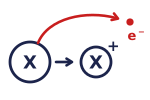
be able to define first, second and third ionisation energies and understand that all ionisation energies are endothermic
2.9
know that an orbital is a region within an atom that can hold up to two electrons with opposite spins
2.10
understand how ionisation energies are influenced by the number of protons in the nucleus, the electron shielding and the sub-shell from which the electron is removed
2.11
know that ideas about electronic structure developed from:
i
an understanding that successive ionisation energies provide evidence for the existence of quantum shells and the group to which the element belongs
ii
an understanding that the first ionisation energy of successive elements provides evidence for electron sub-shells
2.12
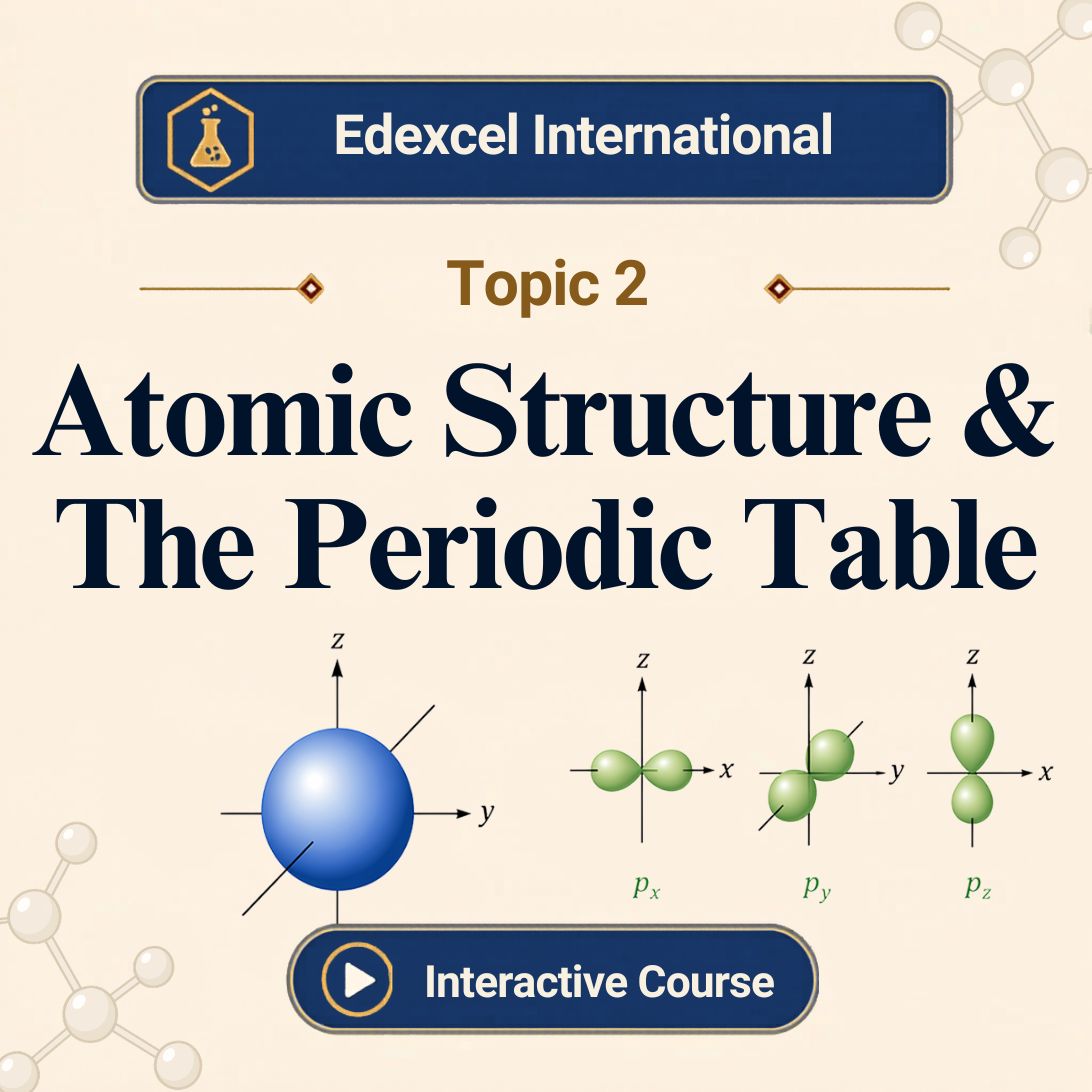
be able to describe the shapes of s and p orbitals
2.13
know that orbitals in sub-shells:
i
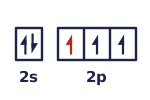
each take a single electron before pairing up
ii
pair up with two electrons of opposite spin
2.14
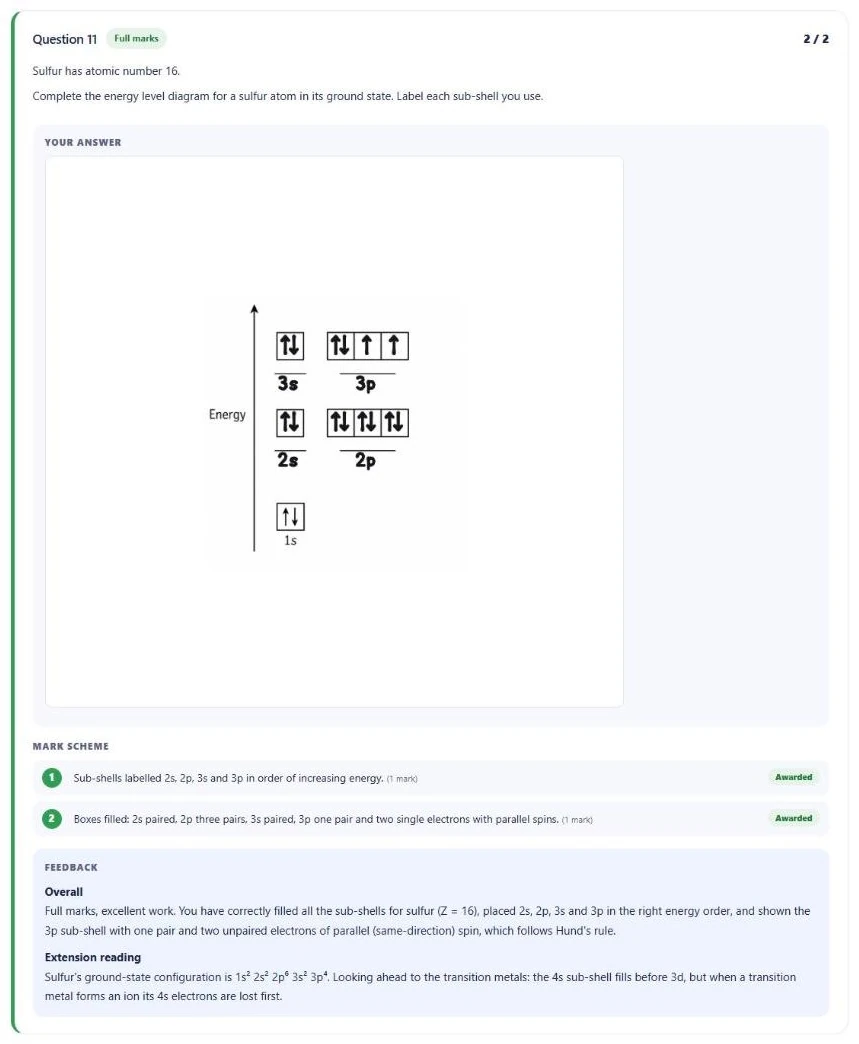
be able to predict the electronic configuration of atoms of the elements from hydrogen to krypton inclusive and their ions, using s, p, d notation and electron-in-boxes notation
2.15
understand that electronic configuration determines the chemical properties of an element
2.16
know that the Periodic Table is divided into blocks, such as s, p and d, and know the number of electrons that can occupy s, p and d sub-shells in the first four quantum shells
2.17
be able to represent data, in a graphical form (including the use of logarithms of first ionisation energies on a graph) for elements 1 to 36 and hence explain the meaning of the term 'periodic property'
2.18
be able to explain:
i
the trends in melting and boiling temperatures of the elements of Periods 2 and 3 of the Periodic Table in terms of the structure of the element and the bonding between its atoms or molecules
ii
the general increase and the specific trends in ionisation energy of the elements across Periods 2 and 3 of the Periodic Table
iii
the decrease in first ionisation energy down a group
Specification Coverage
Students will be assessed on their ability to:
The following specification points outline the knowledge and skills
students are expected to demonstrate.
2.1
know the structure of an atom in terms of electrons, protons and
neutrons
2.2
know the relative mass and charge of protons, neutrons and electrons
2.3
know what is meant by the terms ‘atomic (proton) number’ and ‘mass
number’
2.4
be able to use the atomic number and the mass number to determine the
number of each type of subatomic particle in an atom or ion
2.5
understand the term ‘isotope’
2.6
understand the basic principles of a mass spectrometer and be able
to analyse and interpret mass spectra to:
i
deduce the isotopic composition of a sample of an element
ii
calculate the relative atomic mass of an element from relative
abundances of isotopes and vice versa
iii
determine the relative molecular mass of a molecule, and hence
identify molecules in a sample
iv
understand that ions in a mass spectrometer may have a 2+ charge
2.7
be able to predict mass spectra, including relative peak heights, for
diatomic molecules, including chlorine, given the isotopic abundances
2.8
be able to define first, second and third ionisation energies and
understand that all ionisation energies are endothermic
2.9
know that an orbital is a region within an atom that can hold up to
two electrons with opposite spins
2.10
understand how ionisation energies are influenced by the number of
protons in the nucleus, the electron shielding and the sub-shell from
which the electron is removed
2.11
know that ideas about electronic structure developed from:
i
an understanding that successive ionisation energies provide
evidence for the existence of quantum shells and the group to
which the element belongs
ii
an understanding that the first ionisation energy of successive
elements provides evidence for electron sub-shells
2.12
be able to describe the shapes of s and p orbitals
2.13
know that orbitals in sub-shells:
i
each take a single electron before pairing up
ii
pair up with two electrons of opposite spin
2.14
be able to predict the electronic configuration of atoms of the
elements from hydrogen to krypton inclusive and their ions, using s,
p, d notation and electron-in boxes notation
2.15
understand that electronic configuration determines the chemical
properties of an element
2.16
know that the Periodic Table is divided into blocks, such as s, p and
d, and know the number of electrons that can occupy s, p and d
sub-shells in the first four quantum shells
2.17
be able to represent data, in a graphical form (including the use of
logarithms of first ionisation energies on a graph) for elements 1 to
36 and hence explain the meaning of the term ‘periodic property’
2.18
be able to explain:
i
the trends in melting and boiling temperatures of the elements
of Periods 2 and 3 of the Periodic Table in terms of the
structure of the element and the bonding between its atoms or
molecules
ii
the general increase and the specific trends in ionisation
energy of the elements across Periods 2 and 3 of the Periodic
Table
iii
the decrease in first ionisation energy down a group
Complete Topic Package
Learn the content, practise exam questions, and identify exactly where marks are being lost.
This course combines guided video teaching, diagnostic MCQs, teacher-marked written assessment, and detailed specification reporting for Edexcel International A Level Chemistry.
Exam-focused learning with clear performance feedback
 Atom & Mass Spectrometry137 min








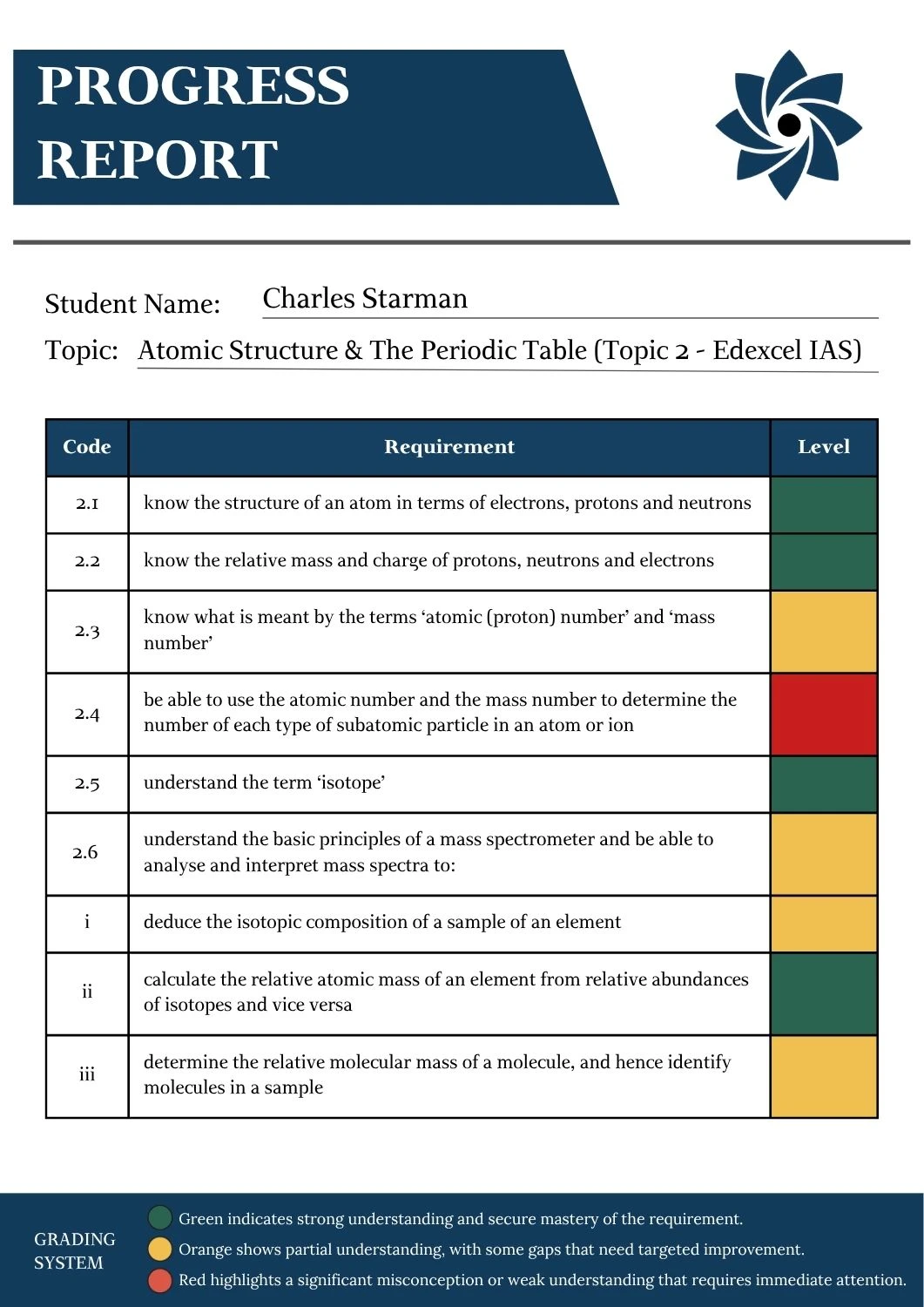
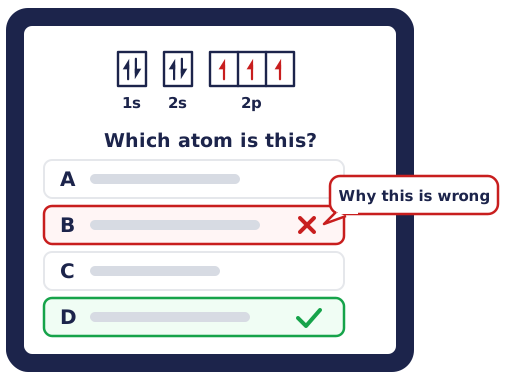
 Feeds your KASP report
 KASP drafts the marks
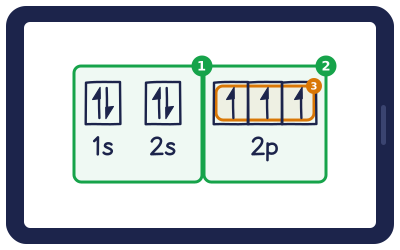
 Teacher decides every mark