3.3.1
Introduction to Organic Chemistry
AQA 3.3.1 covers the formulas used to represent organic compounds, homologous series and functional groups, the IUPAC rules for naming chains and rings of up to six carbon atoms, the curly-arrow and free-radical conventions used in mechanisms, and structural isomerism.
E-Z stereoisomerism is revised with the alkenes in 3.3.4.
Revision Notes
10 revision notes, in the order the specification teaches them.
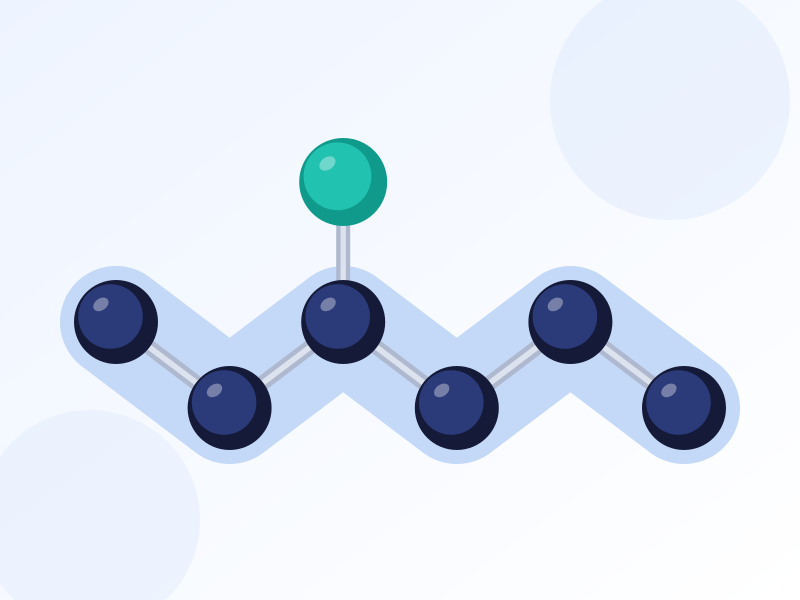
IUPAC Rules
Formulae, homologous series and the IUPAC rules for naming chains, rings and functional groups.
Start revising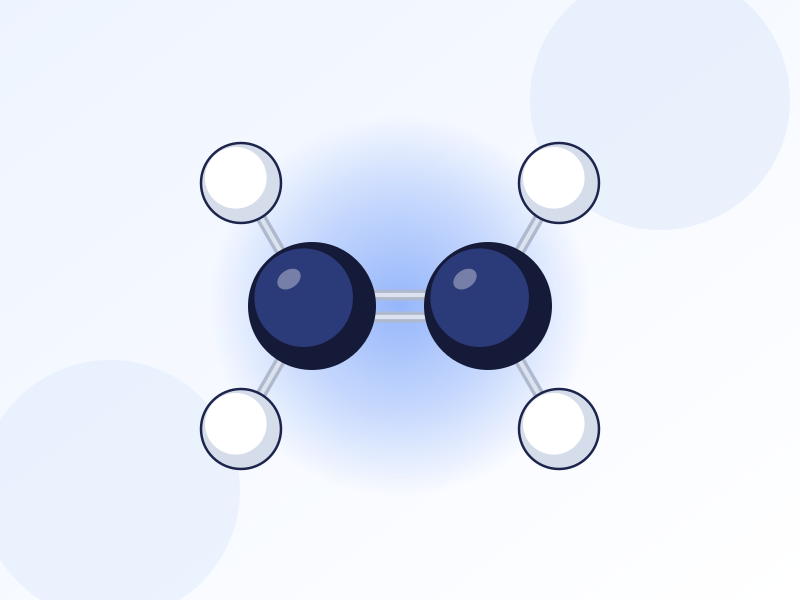
Alkene
Naming alkenes with the -ene suffix, locants for the double bond and E-Z prefixes.
Start revising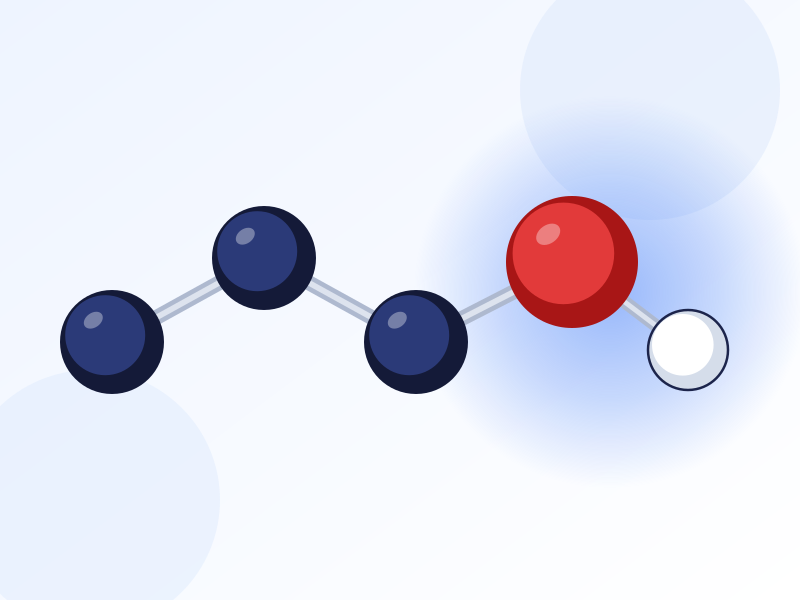
Alcohol
Naming alcohols with the -ol suffix and locating the hydroxyl group.
Start revising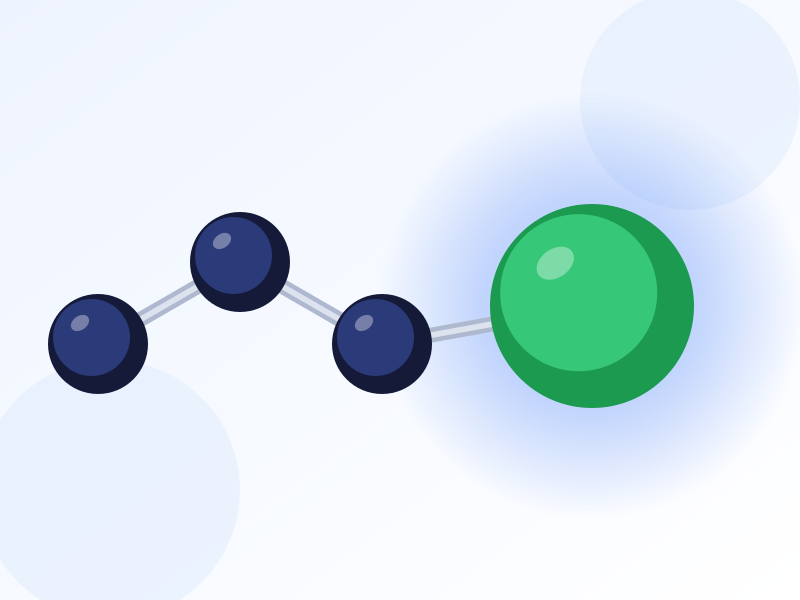
Halogenoalkanes
Naming compounds with fluoro, chloro, bromo and iodo prefixes in alphabetical order.
Start revising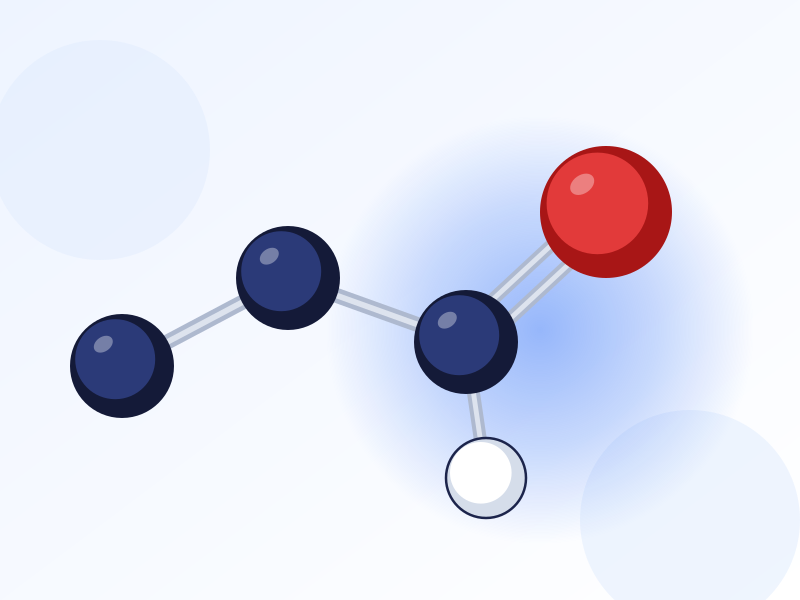
Aldehyde
Naming aldehydes with the -al suffix and recognising the terminal carbonyl group.
Start revising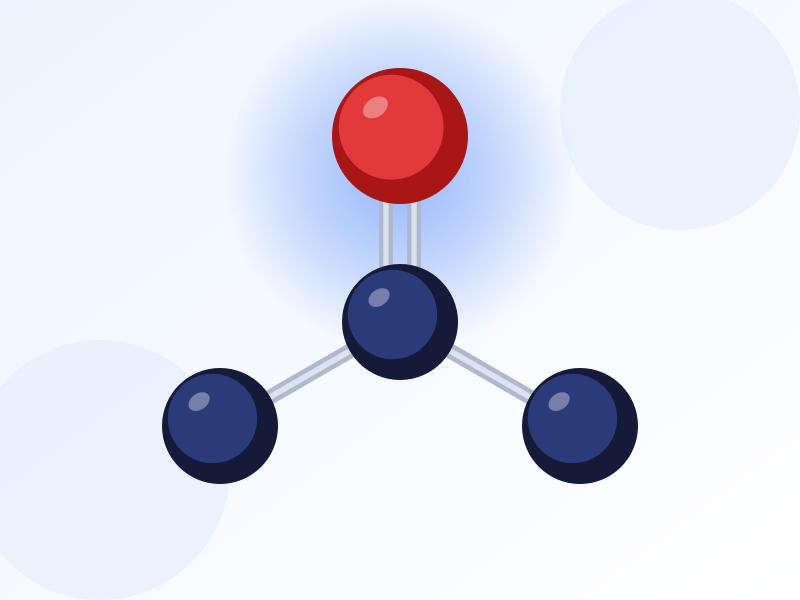
Ketone
Naming ketones with the -one suffix and locating the carbonyl group in the chain.
Start revising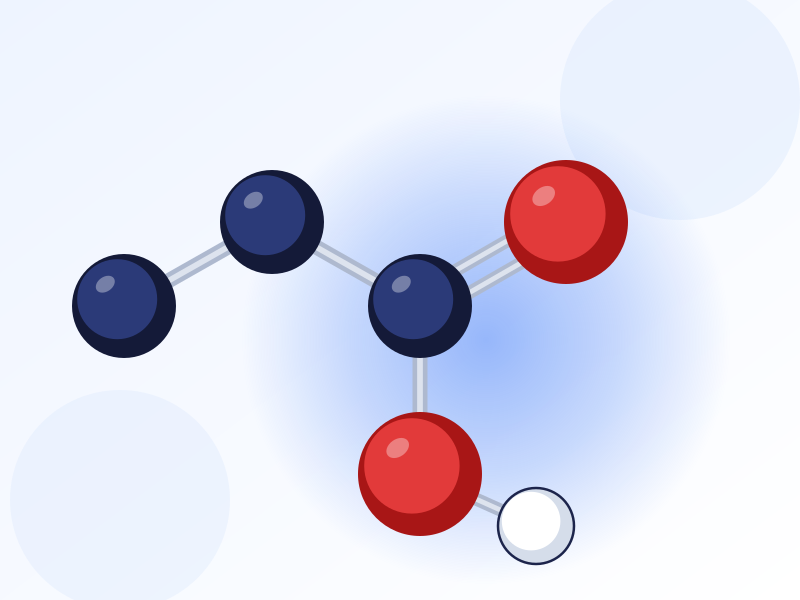
Carboxylic Acid
Naming carboxylic acids with the -oic acid suffix and their high priority in naming.
Start revising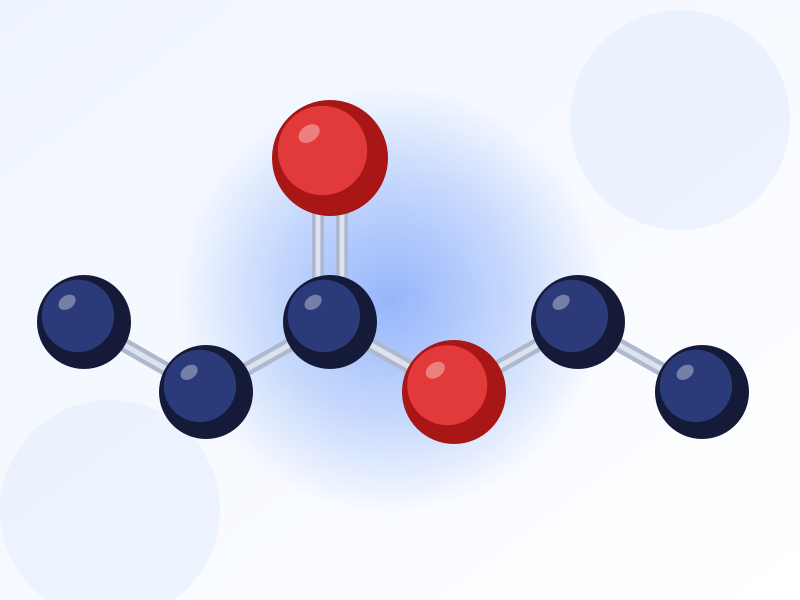
Ester
Naming esters from the alcohol and acid parts, and drawing their structures.
Start revising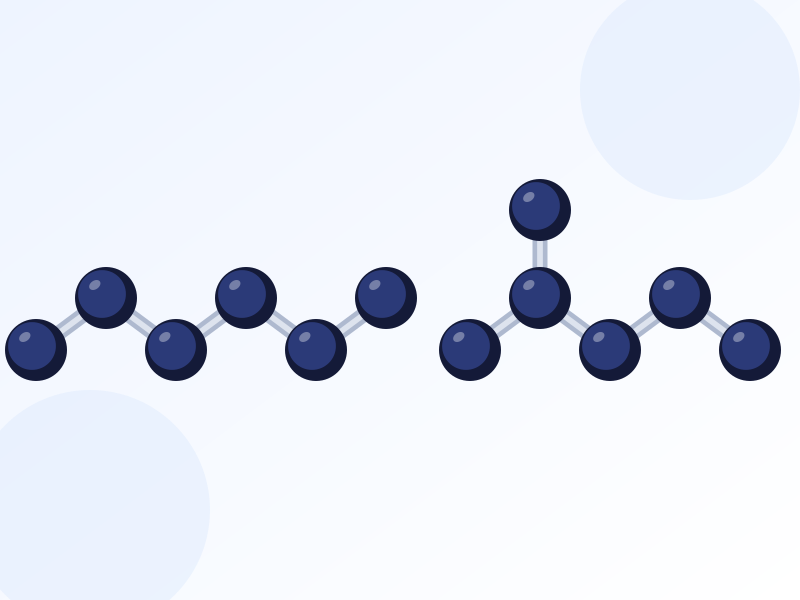
Isomerism
Chain, position and functional group isomerism, and drawing isomers from a molecular formula.
Start revising
Curly Arrows and Mechanisms
What a curly arrow means, the three places it can start, dipoles, and how to outline a mechanism (3.3.1.2).
Start revisingSummary Map
Download, print and revise the key facts of this topic at a glance.
Summary map
Download, print and revise the key facts of this topic at a glance.

Introduction to Organic Chemistry Map
AQA A-level Chemistry · 3.3.1 Introduction to organic chemistry
The whole section on one A4 page: types of formula, homologous series, naming up to six carbons, isomers, bond breaking, mechanisms and curly arrows, and a table of the functional groups.
© 2026 Online Learning System. For personal study: printing is allowed; editing, copying and redistribution are not.
Virtual Lessons
Recorded video lessons that teach the topic step by step.
The Virtual Lessons for 3.3.1 Introduction to Organic Chemistry are being recorded.
MCQ Bank
Multiple-choice papers on this topic, marked the moment you submit.
The MCQ papers for 3.3.1 Introduction to Organic Chemistry are being written.
SAQ Bank
Written, drawn and worked exam practice on this topic.
The exam practice papers for 3.3.1 Introduction to Organic Chemistry are being written.
Revision Game
Match reagents to products, with your board's reagents and conditions.
The revision game for 3.3.1 Introduction to Organic Chemistry is being built.
Study Cards
Pick a deck, then turn each card to check what you remember.
Specification
Every specification point in this topic, in the exam board's own words. Rate how confident you are with each one.
Self-assessment · 30 points
Sign in to rate how confident you feel about each point. Your ratings are saved to your account, follow you to any device, and appear beside your KASP analytics, kept apart from your marks.
3.3.1.1
- iii
know the characteristics of a homologous series as a series of compounds containing the same functional group
Revise - iv a
apply IUPAC rules for nomenclature to name organic compounds with chains up to six carbon atoms
Revise - iv b
apply IUPAC rules for nomenclature to name organic compounds with rings up to six carbon atoms
Revise - v a
apply IUPAC rules to draw the structure of an organic compound from its IUPAC name for chains up to six carbon atoms
Revise - v b
apply IUPAC rules to draw the structure of an organic compound from its IUPAC name for rings up to six carbon atoms
Revise
3.3.1.2
- ii
know that in free-radical mechanisms the unpaired electron in a radical is represented by a dot and curly arrows are not required
Revise - iv a
know that in mechanisms the formation of a covalent bond is shown by a curly arrow from a lone pair
Revise - iv b
know that in mechanisms the formation of a covalent bond is shown by a curly arrow from another bond
Revise - iv c
know that in mechanisms the breaking of a bond is shown by a curly arrow starting from the bond
Revise - v
outline mechanisms by drawing the structures of the species involved and curly arrows to represent the movement of electron pairs
Revise
3.3.1.3
- iii
know that E-Z isomerism is a form of stereoisomerism arising from restricted rotation about the carbon-carbon double bond
Revise
Keep this note — free
Save your progress across every AQA topic. A free account remembers which topics you have covered, saves your question scores, and syncs across your phone and laptop.
- Track every topic you have finished
- Keep your practice-question scores
- No payment, no card, free forever
Already registered? Log in