3.3.3
Halogenoalkanes
Section 3.3.3 covers the polar carbon–halogen bond, nucleophilic substitution with hydroxide, cyanide and ammonia with their mechanisms, the effect of bond enthalpy on the rate of hydrolysis, elimination and its mechanism with the reagent acting as both nucleophile and base, and the role of chlorine radicals from CFCs in the depletion of the ozone layer.
Revision Notes
6 revision notes, in the order the specification teaches them.
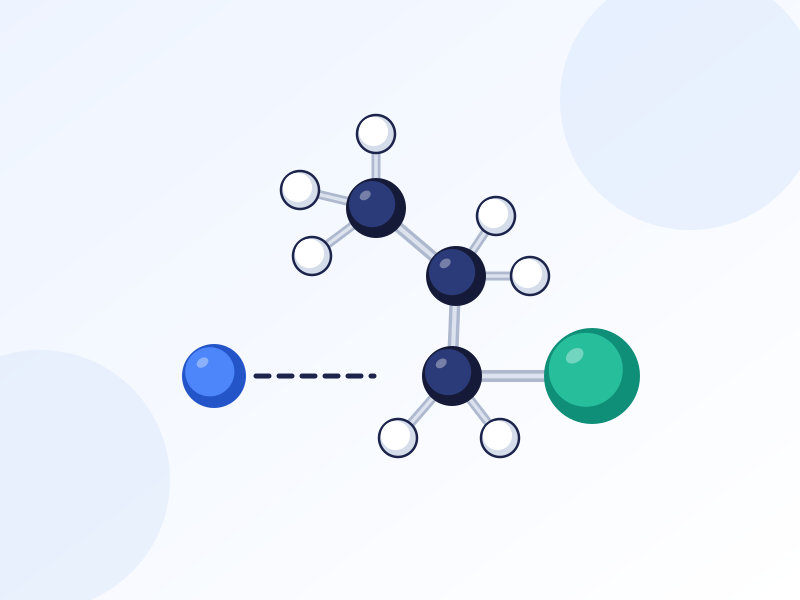
Reaction Types, Mechanisms and Nucleophiles
Organic reaction types and mechanisms: addition, elimination, substitution, oxidation, reduction, hydrolysis, polymerisation, curly arrows, heterolytic fission, electrophiles, nucleophiles and bond polarity.
Start revising
Halogenoalkanes: Naming, Classification and the C–X Bond
Halogenoalkanes: nomenclature and formulae, primary, secondary and tertiary, the polar carbon–halogen bond, bond enthalpies and uses.
Start revising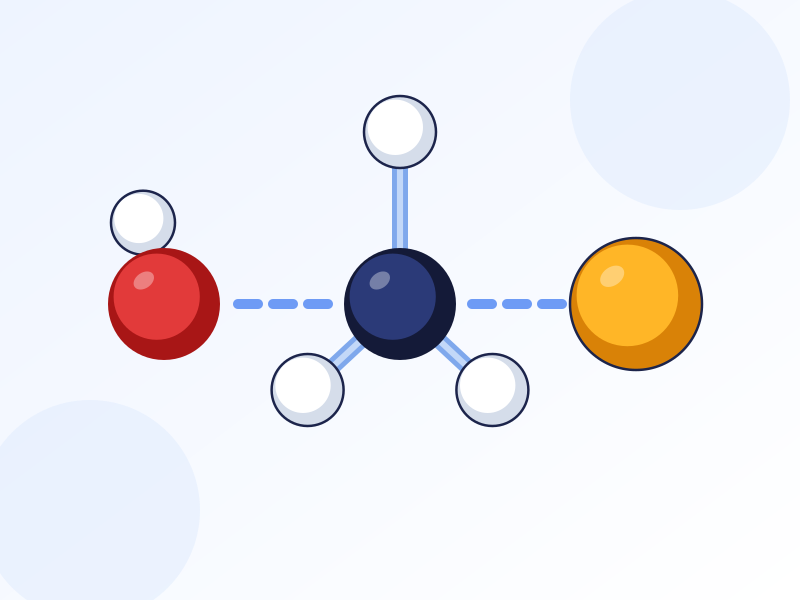
Nucleophilic Substitution Reactions
Nucleophilic substitution of halogenoalkanes: hydroxide, water, ammonia and cyanide as nucleophiles, conditions, products and the curly-arrow mechanism.
Start revising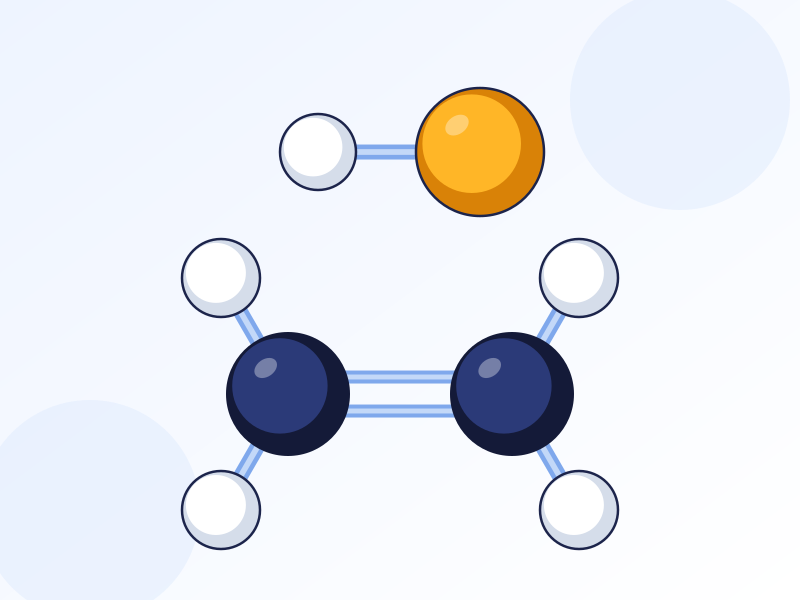
Elimination Reactions of Halogenoalkanes
Elimination of halogenoalkanes: ethanolic KOH, hydroxide as a base, alkene products and isomers, substitution versus elimination.
Start revising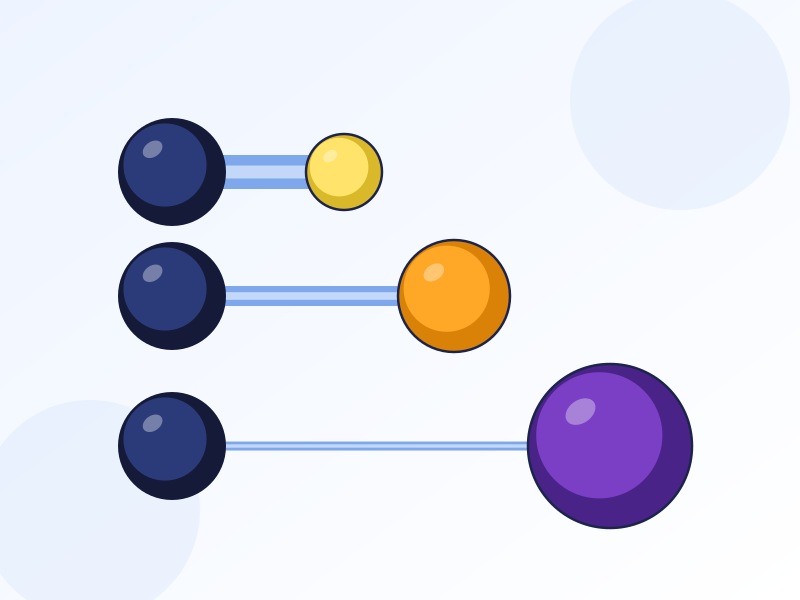
Rates of Hydrolysis and Bond Enthalpy
Rates of hydrolysis of halogenoalkanes: the silver nitrate experiment, precipitate colours, bond enthalpy trend for C–Cl, C–Br and C–I, and primary, secondary and tertiary comparison.
Start revising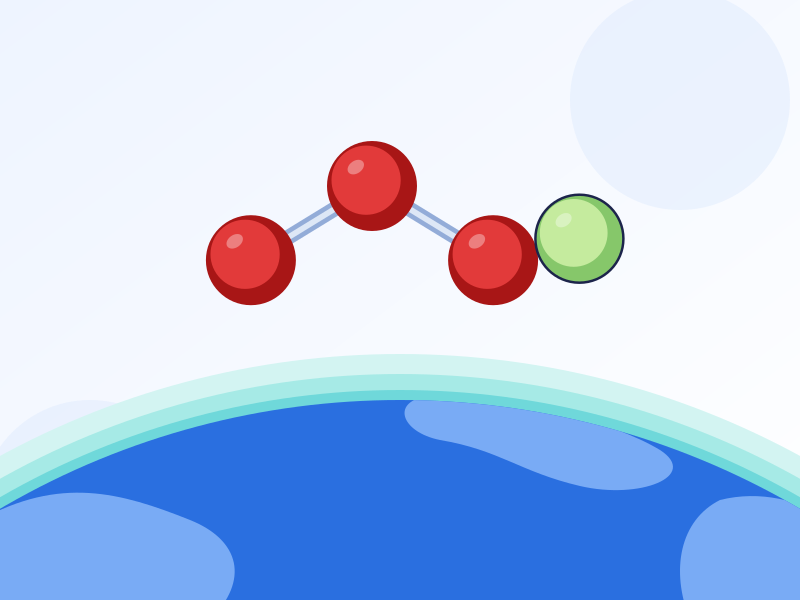
CFCs and the Ozone Layer
CFCs and the ozone layer: chlorine radicals, the equations for ozone decomposition, the catalytic cycle, legislation and HFC alternatives.
Start revisingSummary Map
Download, print and revise the reactions of this topic at a glance.
Summary maps
Download, print and revise the reactions of this topic at a glance.

Halogenoalkanes Map
AQA A Level Chemistry · 3.3.3 Halogenoalkanes
Every reaction on one A4 page: reagents, conditions and reaction type for each arrow, colour coded, with the key tests.
Halogenoalkanes Summary Map
AQA A-level Chemistry · 3.3.3 Halogenoalkanes
The whole section on one A4 page: names, classes and nucleophiles, substitution by hydroxide, water, ammonia and cyanide, elimination, rates of hydrolysis, and ozone and CFCs.
© 2026 Online Learning System. For personal study: printing is allowed; editing, copying and redistribution are not.
Virtual Lessons
Recorded video lessons that teach the topic step by step.
The Virtual Lessons for 3.3.3 Halogenoalkanes are being recorded.
MCQ Bank
Multiple-choice papers on this topic, marked the moment you submit.
The MCQ papers for 3.3.3 Halogenoalkanes are being written.
SAQ Bank
Written, drawn and worked exam practice on this topic.
The exam practice papers for 3.3.3 Halogenoalkanes are being written.
Revision Game
Match reagents to products, free, with your board's reagents and conditions.

Study Cards
Pick a deck, then turn each card to check what you remember.
Specification
Every specification point in this topic, in the exam board's own words. Rate how confident you are with each one.
Self-assessment · 18 points
Sign in to rate how confident you feel about each point. Your ratings are saved to your account, follow you to any device, and appear beside your KASP analytics, kept apart from your marks.
3.3.3.1
3.3.3.2
- i
know that a halogenoalkane can undergo concurrent substitution and elimination reactions (eg 2-bromopropane with potassium hydroxide)
Revise
3.3.3.3
- i
know that ozone in the upper atmosphere is beneficial because it absorbs ultraviolet radiation
Revise - ii
know that chlorine atoms are formed in the upper atmosphere when ultraviolet radiation causes C-Cl bonds in CFCs to break
Revise - iii
know that chlorine atoms catalyse the decomposition of ozone and contribute to the hole in the ozone layer
Revise - iv b
use the equation ClO + O3 -> 2O2 + Cl to explain chlorine-catalysed decomposition of ozone
Revise - v
appreciate that scientific evidence provided by different research groups led to legislation to ban the use of CFCs and that chemists have developed alternative chlorine-free compounds
Revise
Keep this note — free
Save your progress across every AQA topic. A free account remembers which topics you have covered, saves your question scores, and syncs across your phone and laptop.
- Track every topic you have finished
- Keep your practice-question scores
- No payment, no card, free forever
Already registered? Log in