OCR A Level Chemistry Practical Activity Groups (PAGs)
Practical questions test more than a memorised method. Students need to understand apparatus choices, measurement quality, data processing, uncertainty, risk management and how each practical links to the underlying chemistry.
Revision Notes
20 revision notes, in the order the specification teaches them.
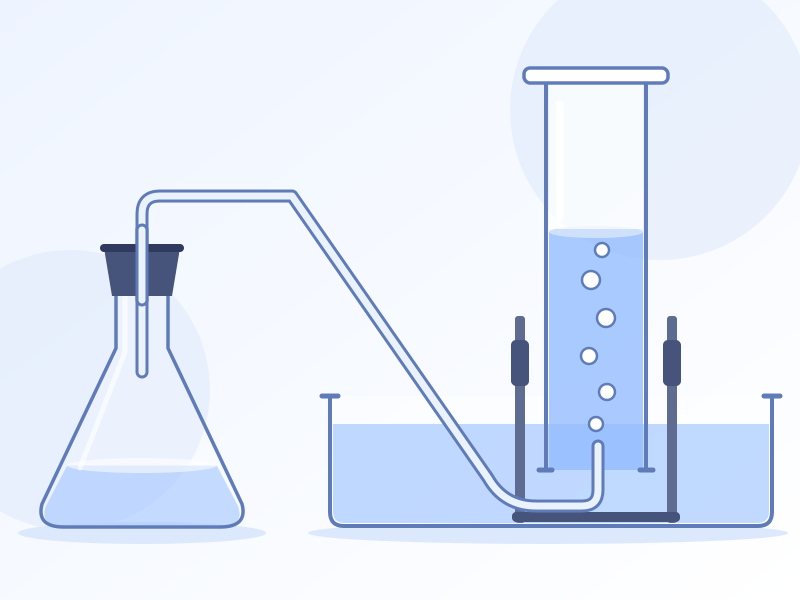
PAG 1 Moles Determination: Molar Volume of a Gas
Measuring the molar volume of a gas: collecting CO₂ over water, the graph of volume against mass, the calculation to 24 dm³ mol⁻¹, percentage uncertainty and the errors examiners ask about.
Start revising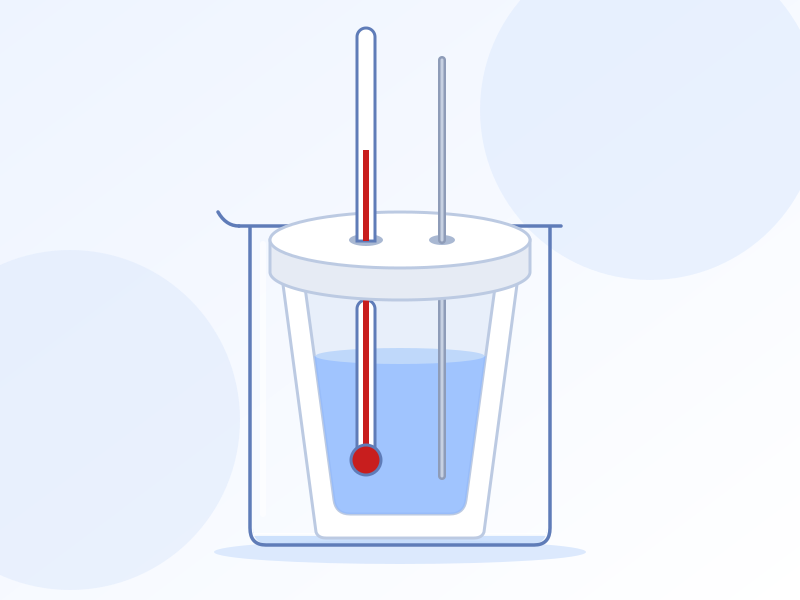
PAG 3 Enthalpy Determination: Hess’s Law
PAG 3: enthalpy change via Hess’s law from K₂CO₃ and KHCO₃ with HCl, with q = mcΔT, the Hess cycle, percentage uncertainty and error analysis.
Start revising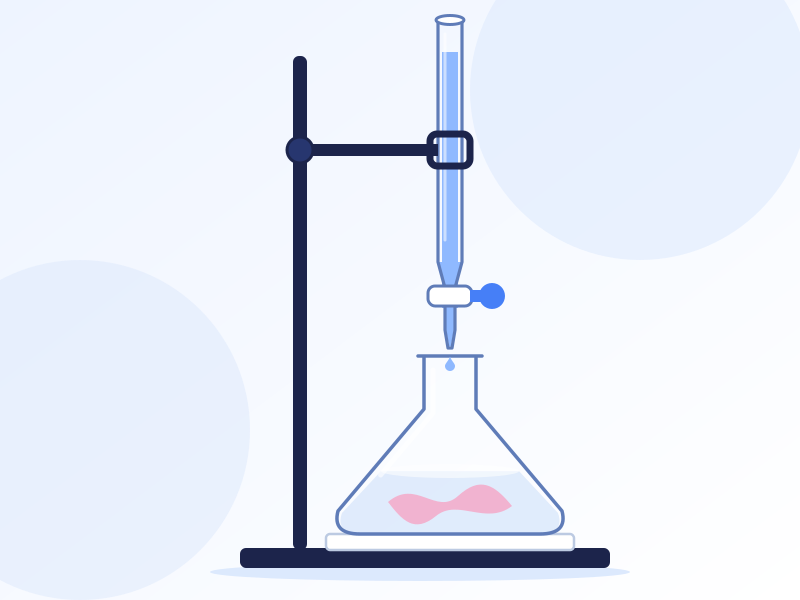
PAG 2 Acid–Base Titration
PAG 2: finding the concentration of hydrochloric acid by titration with standardised sodium hydroxide, with method reasons, concordant titres, the worked calculation, error directions and percentage uncertainty.
Start revising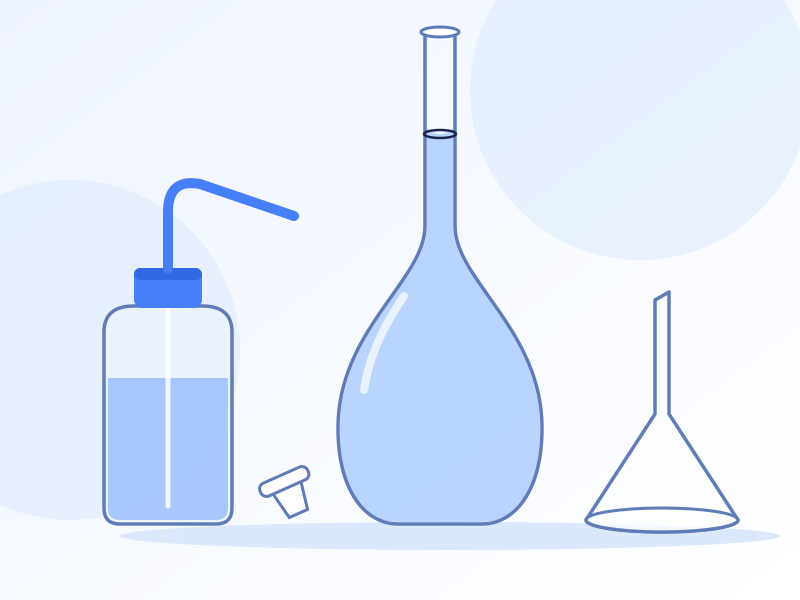
PAG 2 Preparing a Standard Solution
PAG 2: preparing a standard solution of sulfamic acid and using it to find the concentration of sodium hydroxide by titration, with method, sample data, calculation, uncertainty and common errors.
Start revising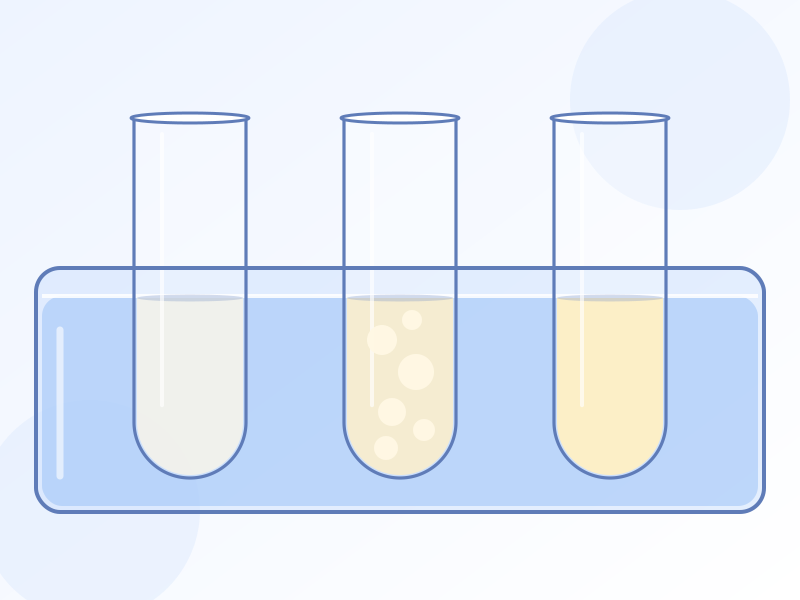
Comparing the Rates of Hydrolysis of Haloalkanes
Practical Skills: Rates of Hydrolysis: comparing the rates of hydrolysis of haloalkanes with aqueous silver nitrate in ethanol at 50 °C, the role of each reagent, silver halide colours, 1/t, bond enthalpies and carbocation stability, with errors, improvements and exam points.
Start revising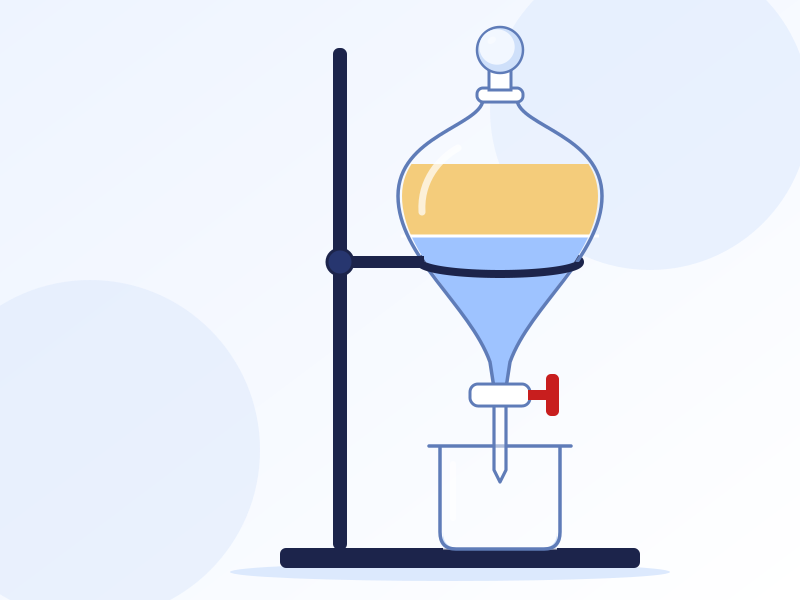
PAG 5 Synthesis of an Organic Liquid: 2-chloro-2-methylpropane
The chlorination of 2-methylpropan-2-ol (PAG 5): Sₙ1 mechanism via the tertiary carbocation, separating funnel technique, hydrogencarbonate wash, drying, simple distillation at 50–52 °C, silver nitrate test with nitric acid, worked percentage yield and evaluation.
Start revising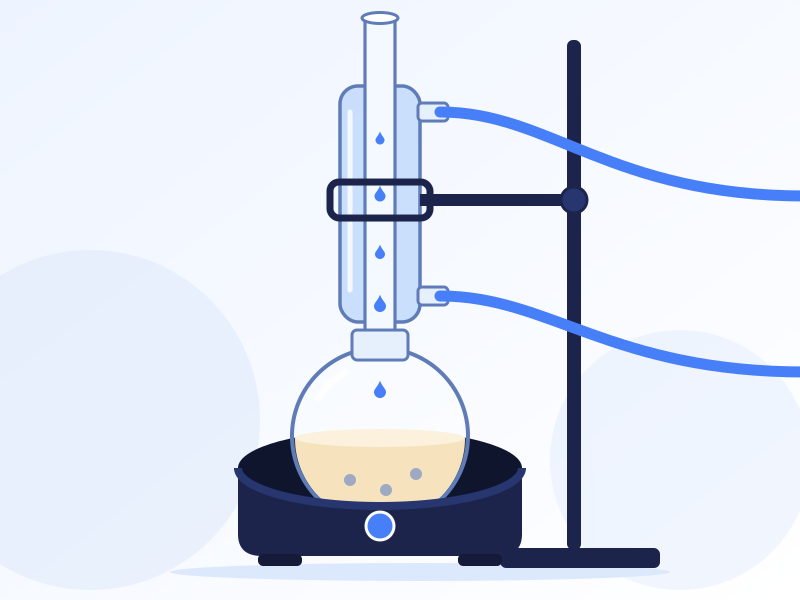
PAG 5 Oxidation of an Alcohol: Distil or Reflux
PAG 5: oxidation of ethanol to ethanal by distillation and to ethanoic acid by reflux, with apparatus, boiling points, equations, product tests and exam points.
Start revising
PAG 4 and PAG 7 Qualitative Analysis of Unknowns
PAG 4 and PAG 7: identifying unknown organic liquids and inorganic solids by test-tube reactions, with the method, safety, ionic equations with state symbols, the evidence trail, exam data practice and interactive checks.
Start revising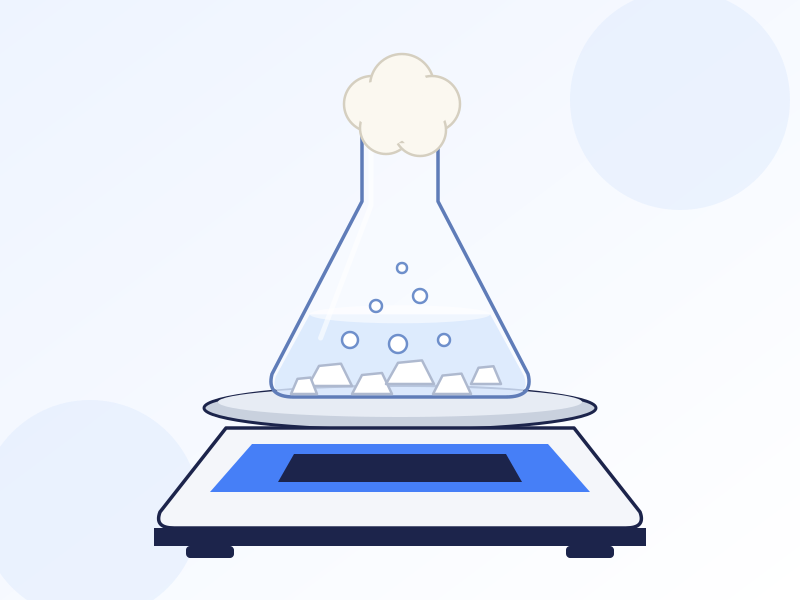
Measuring Rates of Reaction: Mass, Gas Volume and Time
Measuring rates of reaction: sodium thiosulfate and acid, rate ∝ 1/t, the effect of temperature and concentration, gas syringe and mass loss methods, tangents and errors.
Start revising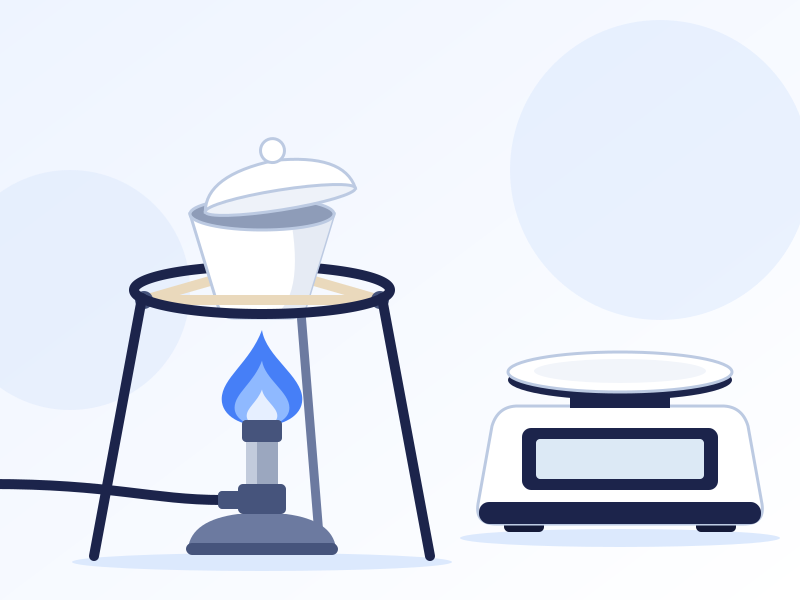
PAG 1 Moles Determination: Water of Crystallisation and Composition by Mass
Gravimetric analysis: water of crystallisation by heating to constant mass, crucible technique, thermal decomposition of carbonates, composition calculations and errors.
Start revising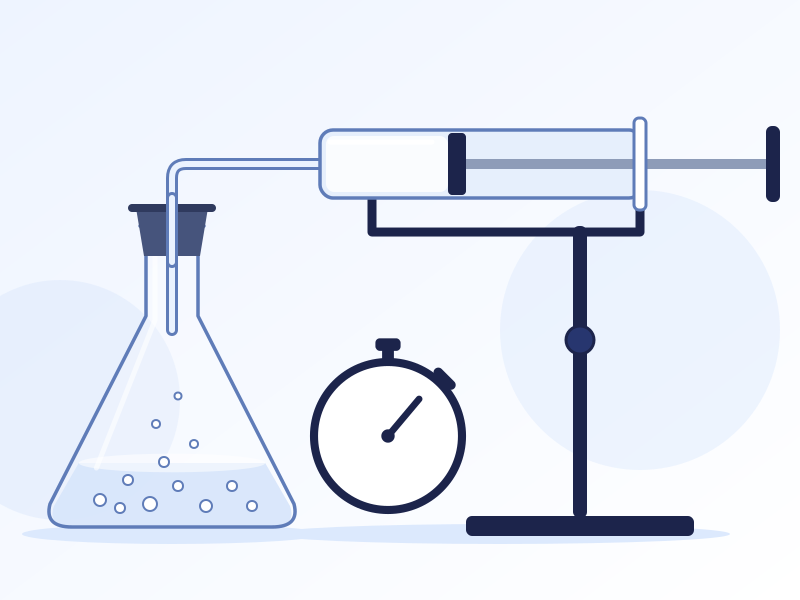
PAG 9 and PAG 10 Rates of Reaction: Continuous Monitoring and Initial Rates
Following reaction rates: the iodination of propanone by titration (zero order in iodine), the iodine clock reaction, initial rates from 1/t, rate equations, mechanism, errors and uncertainty.
Start revising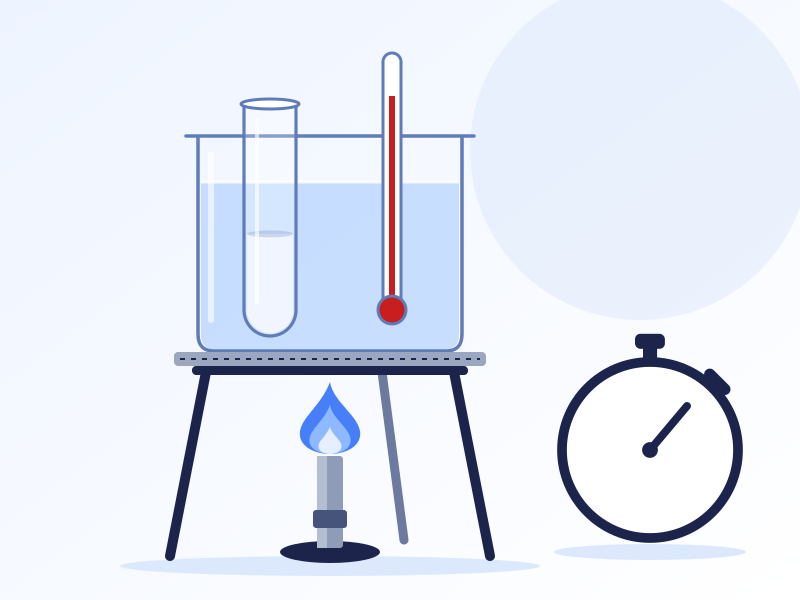
Finding the Activation Energy of a Reaction: the Arrhenius Plot
Finding the activation energy of a reaction: a clock reaction at five temperatures, the Arrhenius plot of ln(1/t) against 1/T, gradient = (−Eₐ) / (R), the worked calculation, errors and improvements.
Start revising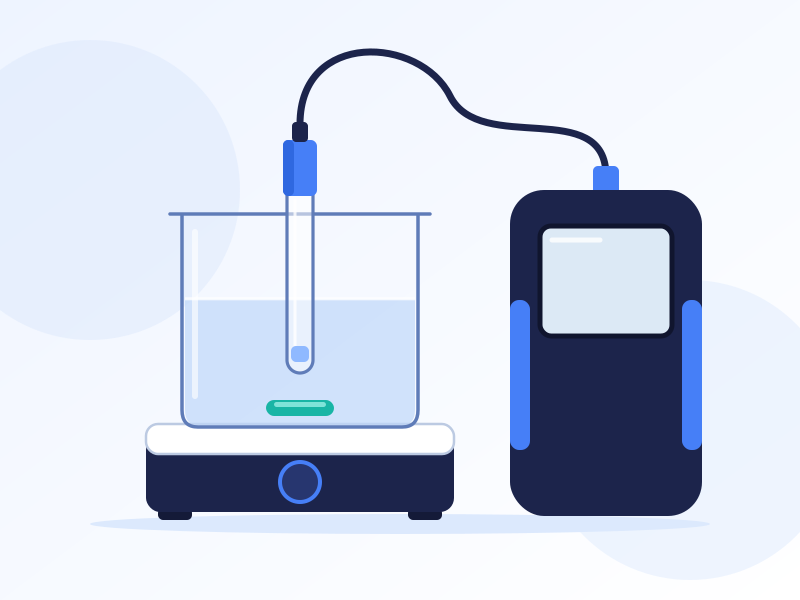
PAG 11 pH Measurement: the Ka of a Weak Acid and Buffers
Finding the Ka of a weak acid: pH meter calibration, Ka from pH, half-neutralisation and pH = pKa, the weak acid pH curve, indicators, buffer action and errors.
Start revising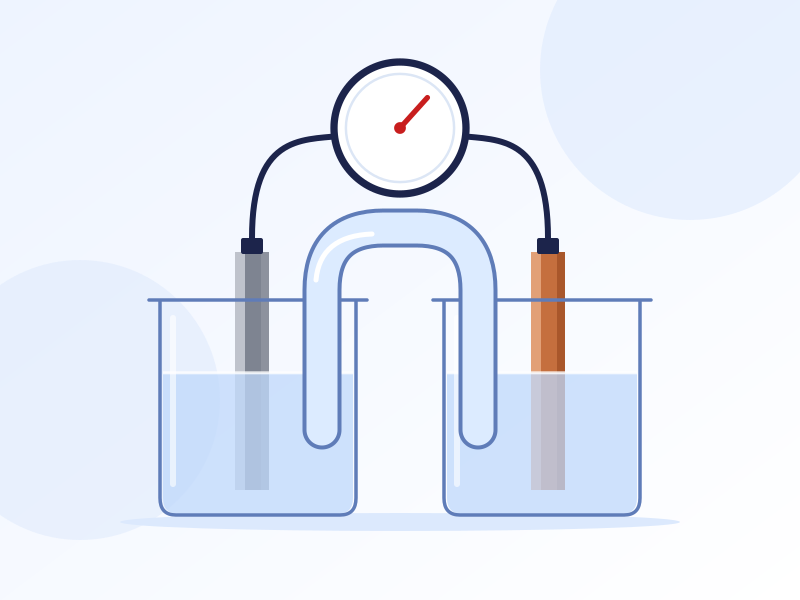
PAG 8 Electrochemical Cells
Measuring cell potentials: half-cells, salt bridge, high-resistance voltmeter, E⦵cell = +1.10 V for zinc–copper, concentration effects, the standard hydrogen electrode, feasibility, errors and uncertainty.
Start revising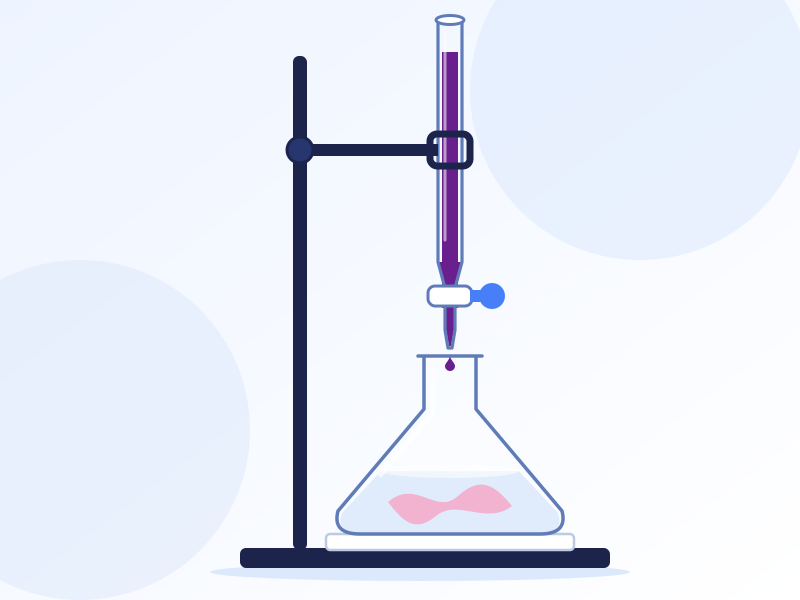
Redox Titrations: Manganate(VII) and Iodine–Thiosulfate
Redox titrations: iron(II) with potassium manganate(VII), iodine with sodium thiosulfate, mole ratios from half-equations, worked calculations, uncertainty and errors.
Start revising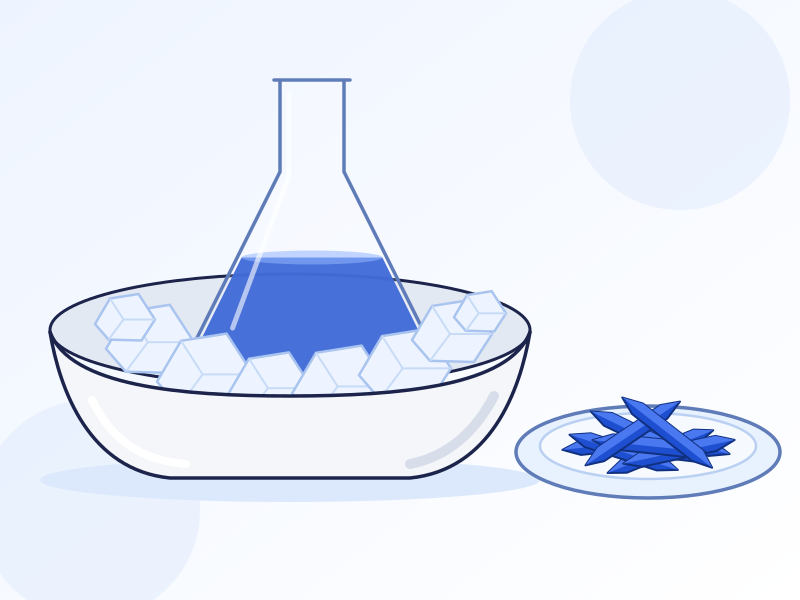
Preparing a Transition Element Complex
Preparing a transition element complex: tetraamminediaquacopper(II) sulfate from copper(II) sulfate and ammonia, ligand substitution, colours, ethanol crystallisation, filtration, washing, drying and percentage yield.
Start revising
Qualitative Analysis of Transition Element Ions and Organic Unknowns
Identifying transition element ions with sodium hydroxide and ammonia, the second-year organic functional group tests, and worked inorganic and organic unknowns with their equations.
Start revising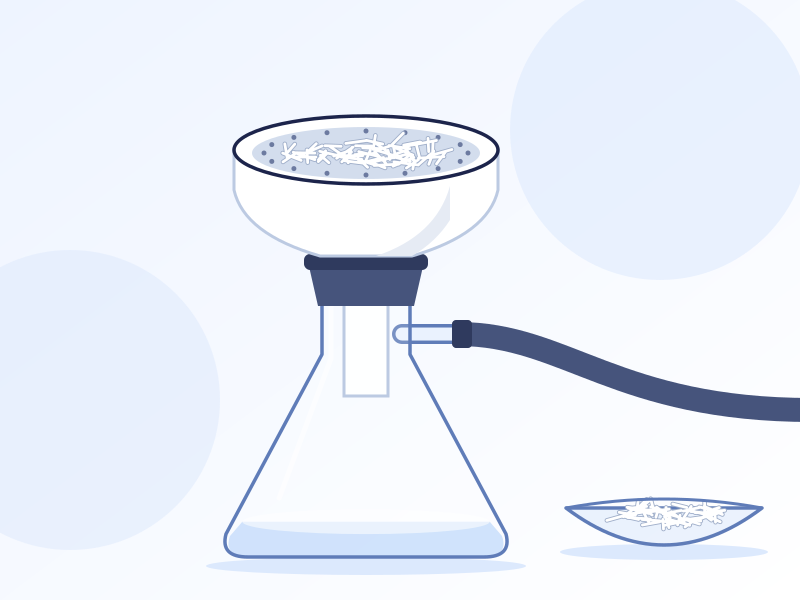
PAG 6 Synthesis of an Organic Solid: Aspirin
The preparation of aspirin: 2-hydroxybenzoic acid with ethanoic anhydride, recrystallisation, filtration under reduced pressure, percentage yield, the melting point, TLC and the iron(III) chloride test as tests of purity, and the common errors.
Start revising
Thin-Layer Chromatography: Separating and Identifying Compounds
Thin-layer chromatography: the method with reasons, adsorption against solubility, calculating and comparing Rf values with standards, visualising spots, checking purity and evaluating errors.
Start revisingPAG 12 Research Skills: Researching, Referencing and Reporting
Research skills for CPAC 5: online and offline sources, judging reliability, Harvard citations and reference lists, planning a back titration from research, uncertainty and reporting.
Start revisingSummary Map
Every reaction of the topic on one printable page.
The summary map for OCR A Level Chemistry Practical Activity Groups (PAGs) is being drawn.
Virtual Lessons
Recorded video lessons that teach the topic step by step.
The Virtual Lessons for OCR A Level Chemistry Practical Activity Groups (PAGs) are being recorded.
MCQ Bank
Multiple-choice papers on this topic, marked the moment you submit.
The MCQ papers for OCR A Level Chemistry Practical Activity Groups (PAGs) are being written.
SAQ Bank
Written, drawn and worked exam practice on this topic.
The exam practice papers for OCR A Level Chemistry Practical Activity Groups (PAGs) are being written.
Revision Game
Match reagents to products, with your board's reagents and conditions.
The revision game for OCR A Level Chemistry Practical Activity Groups (PAGs) is being built.
Study Cards
Pick a deck, then turn each card to check what you remember.
Specification
The specification points this topic covers.
The specification points for OCR A Level Chemistry Practical Activity Groups (PAGs) are being added.
Keep this note — free
Save your progress across every OCR topic. A free account remembers which topics you have covered, saves your question scores, and syncs across your phone and laptop.
- Track every topic you have finished
- Keep your practice-question scores
- No payment, no card, free forever
Already registered? Log in