Alkenes
Alkenes are unsaturated hydrocarbons containing a carbon-carbon double bond. These pages separate the topic into how alkenes are made, their bonding and isomerism, the electrophilic addition mechanism, their reactions, and the polymers formed from them.
Alkene bonding and geometrical isomerism sit in Topic 13 and polymers in Topic 20, and are linked from these pages.
Revision Notes
8 revision notes, in the order the specification teaches them.
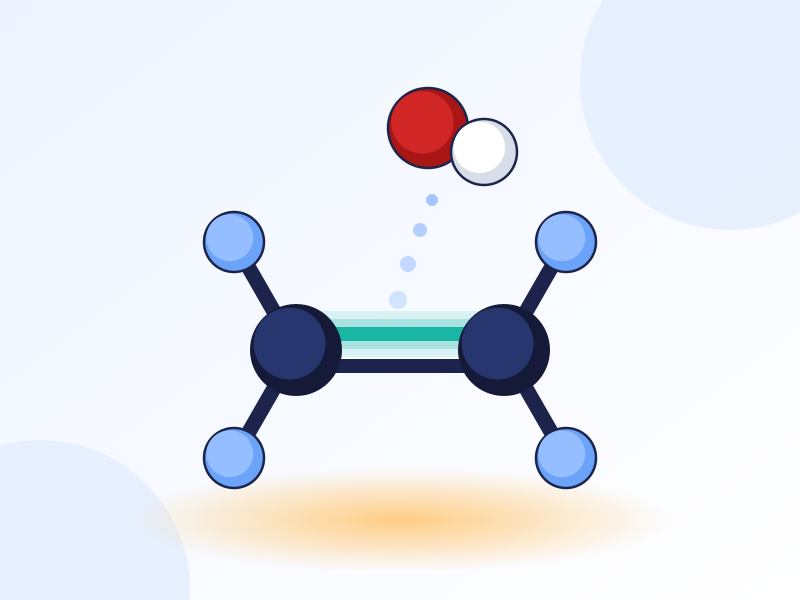
Producing Alkenes
Elimination from halogenoalkanes with ethanolic NaOH, dehydration of alcohols and cracking of alkanes (14.2.1).
Start revising
Alkene Bonding
The σ and π bonds of the C=C double bond, sp2 hybridisation and the planar alkene (Topic 13.3).
Start revising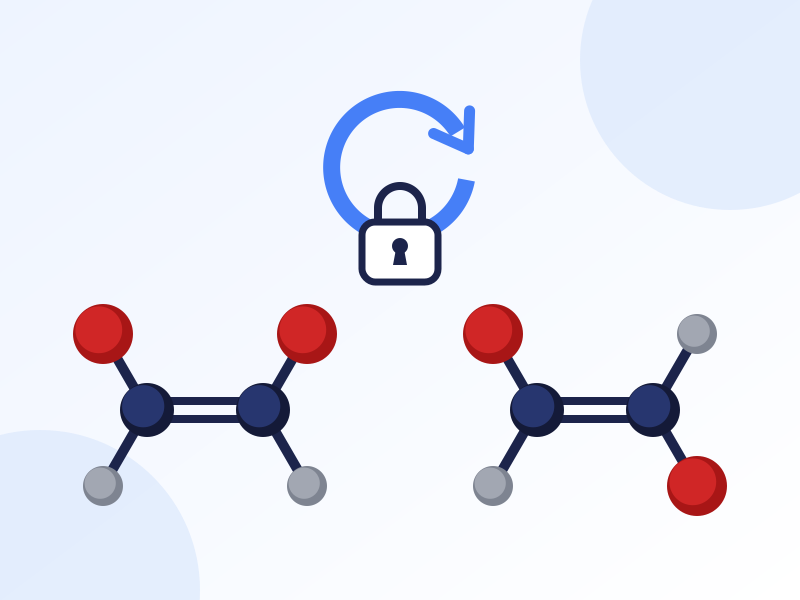
Geometric Isomerism
Restricted rotation about the C=C bond and geometrical (cis/trans) isomerism (Topic 13.4).
Start revising
Electrophilic Addition Mechanism
How electrophiles attack the π bond, carbocation intermediates, the inductive effect and Markovnikov addition (14.2.4, 14.2.5).
Start revising
Markovnikov Addition
Understand the inductive effect of alkyl groups, carbocation stability and why HBr adds to propene to give mainly 2-bromopropane.
Start revising
Reactions of Alkenes
Addition of hydrogen, halogens, hydrogen halides and steam, the bromine water test and oxidation by KMnO4 (14.2.2, 14.2.3).
Start revising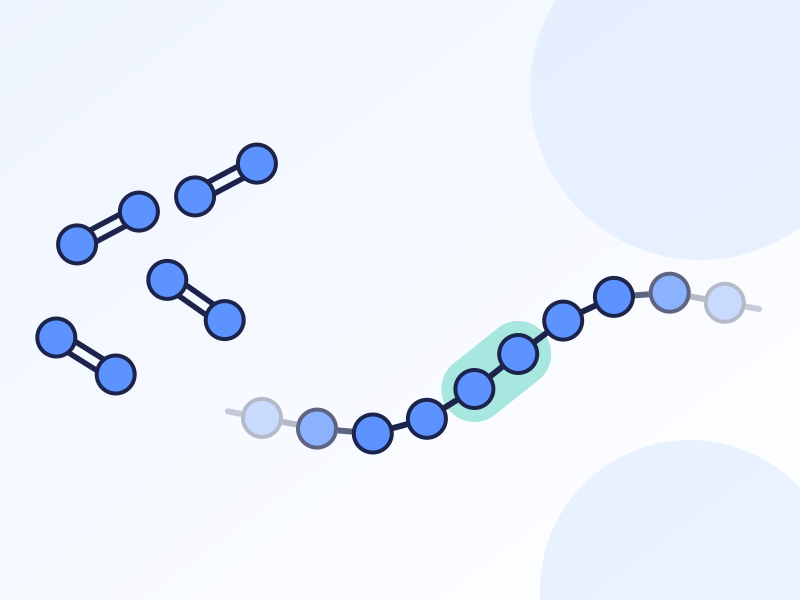
Polymerisation Reactions
Addition polymerisation of ethene, propene and chloroethene, repeat units and monomers (14.2.2, Topic 20).
Start revising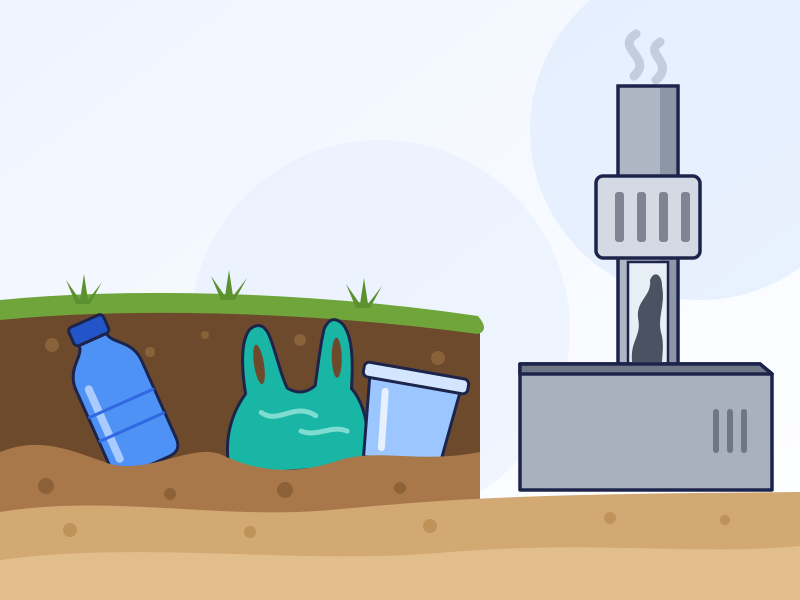
Polymer Waste
The difficulty of disposing of poly(alkene)s: non-biodegradability and harmful combustion products (Topic 20).
Start revisingSummary Map
Download, print and revise the reactions of this topic at a glance.
Summary map
Download, print and revise the reactions of this topic at a glance.

Alkenes Map
Cambridge International AS & A Level Chemistry · Topic 14 Hydrocarbons
Every reaction on one A4 page: reagents, conditions and reaction type for each arrow, colour coded, with the key tests.
© 2026 Online Learning System. For personal study: printing is allowed; editing, copying and redistribution are not.
Virtual Lessons
Recorded video lessons that teach the topic step by step.
The Virtual Lessons for Alkenes are being recorded.
MCQ Bank
Multiple-choice papers on this topic, marked the moment you submit.
The MCQ papers for Alkenes are being written.
SAQ Bank
Written, drawn and worked exam practice on this topic.
The exam practice papers for Alkenes are being written.
Revision Game
Match reagents to products, free, with your board's reagents and conditions.

Study Cards
Pick a deck, then turn each card to check what you remember.
Specification
Every specification point in this topic, in the exam board's own words. Rate how confident you are with each one.
Cambridge no longer issues a data booklet: the data you need are given in each question, and the syllabus has a Data section.
Self-assessment · 18 points
Sign in to rate how confident you feel about each point. Your ratings are saved to your account, follow you to any device, and appear beside your KASP analytics, kept apart from your marks.
14.1.1
- a
recall the reaction (reagents and conditions) by which alkanes can be produced: addition of hydrogen to an alkene in a hydrogenation reaction, H2(g) and Pt/Ni catalyst and heat
Revise
14.2.1
- a
recall the reaction (including reagents and conditions) by which alkenes can be produced: elimination of HX from a halogenoalkane by ethanolic NaOH and heat
Revise - b i
recall the reaction (including reagents and conditions) by which alkenes can be produced: dehydration of an alcohol, by using a heated catalyst (e.g. Al2O3)
Revise - b ii
recall the reaction (including reagents and conditions) by which alkenes can be produced: dehydration of an alcohol, by using a concentrated acid (e.g. concentrated H2SO4)
Revise - c
recall the reaction (including reagents and conditions) by which alkenes can be produced: cracking of a longer chain alkane
Revise
14.2.2
- a (i)
describe the electrophilic addition of hydrogen to alkenes in a hydrogenation reaction, H2(g) and Pt/Ni catalyst and heat
Revise - a (iii)
describe the electrophilic addition of a hydrogen halide, HX(g), to alkenes at room temperature
Revise - c i
describe the oxidation of alkenes by hot concentrated acidified KMnO4 leading to the rupture of the carbon–carbon double bond
Revise - c ii
use the identities of the products of oxidation by hot concentrated acidified KMnO4 to determine the position of alkene linkages in larger molecules
Revise
14.2.3
14.2.4
14.2.5
- a
describe and explain the inductive effects of alkyl groups on the stability of primary, secondary and tertiary cations formed during electrophilic addition
Revise - b
use the inductive effects of alkyl groups on the stability of primary, secondary and tertiary cations to explain Markovnikov addition
Revise
16.1.1
- a
recall the reaction (reagents and conditions) by which alcohols can be produced: electrophilic addition of steam to an alkene, H2O(g) and H3PO4 catalyst
Revise
Keep this note — free
Save your progress across every Cambridge topic. A free account remembers which topics you have covered, saves your question scores, and syncs across your phone and laptop.
- Track every topic you have finished
- Keep your practice-question scores
- No payment, no card, free forever
Already registered? Log in