Alkanes
Alkanes are saturated hydrocarbons with single carbon-carbon bonds. These pages separate the topic into crude oil, fuels, alternative fuels and alkane reactions so that students can revise the source, use and chemical behaviour of alkanes clearly.
Alkene bonding and geometrical isomerism sit in Topic 13 and polymers in Topic 20, and are linked from these pages.
Revision Notes
6 revision notes, in the order the specification teaches them.
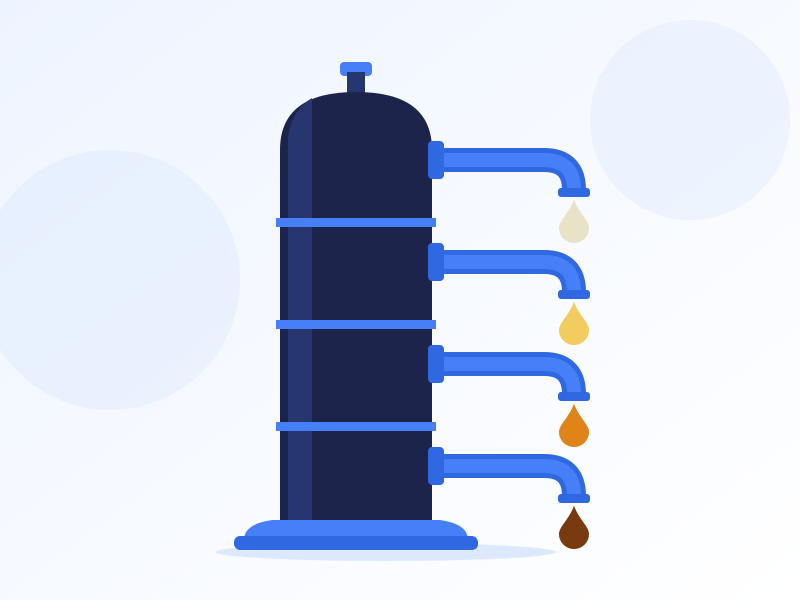
Alkanes from Crude Oil
Revise crude oil as a mixture of hydrocarbons and how fractional distillation separates fractions with different boiling ranges.
Start revising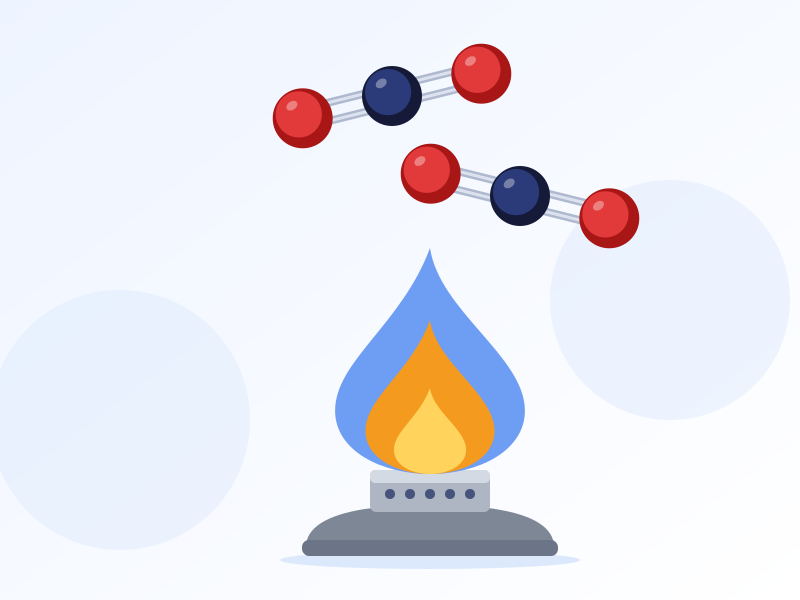
Alkanes as Fuel
Learn how alkanes release energy during combustion and compare complete and incomplete combustion products.
Start revising
Alternative Fuel
Review alternative fuels and compare their advantages, limitations and environmental implications against fossil fuels.
Start revising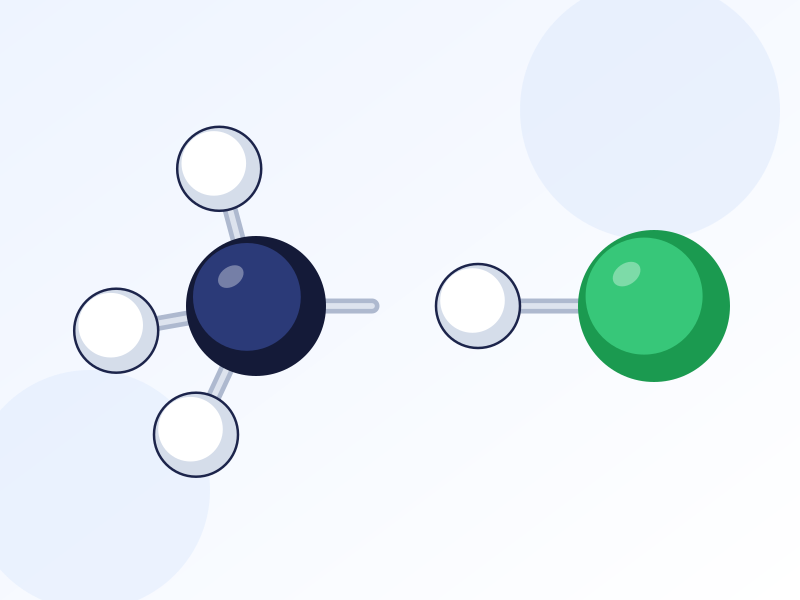
Reactions of Alkanes
Revise the key reactions of alkanes, including combustion and free-radical substitution with halogens under ultraviolet light.
Start revising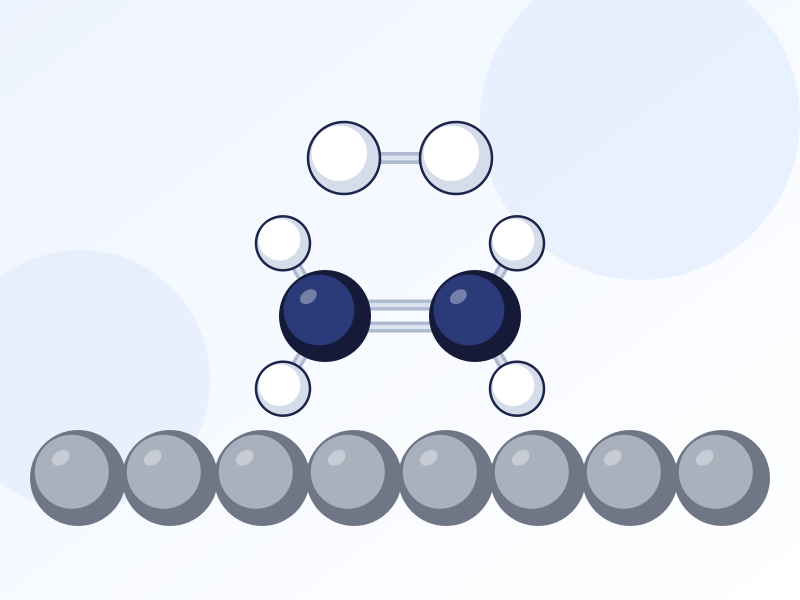
Producing Alkanes
Hydrogenation of alkenes with H2 over Pt or Ni, and cracking longer alkanes by heating with Al₂O₃ (14.1.1).
Start revising
Unreactivity of Alkanes
Why strong, non-polar C-H bonds make alkanes ignore polar reagents, and the chlorination and bromination of ethane (14.1.5, 14.1.2).
Start revisingSummary Map
Download, print and revise the reactions of this topic at a glance.
Summary maps
Download, print and revise the reactions of this topic at a glance.

Alkanes Map
Cambridge International AS & A Level Chemistry · Topic 14 Hydrocarbons
Every reaction on one A4 page: reagents, conditions and reaction type for each arrow, colour coded, with the key tests.
Alkanes Summary Map
Cambridge International AS & A Level Chemistry · 14.1 Alkanes
The whole section on one A4 page: cracking and hydrogenation, combustion, engine pollutants and the catalytic converter, the unreactivity of alkanes, with the free-radical mechanism for ethane in a table.
© 2026 Online Learning System. For personal study: printing is allowed; editing, copying and redistribution are not.
Virtual Lessons
Recorded video lessons that teach the topic step by step.
The Virtual Lessons for Alkanes are being recorded.
MCQ Bank
Multiple-choice papers on this topic, marked the moment you submit.
The MCQ papers for Alkanes are being written.
SAQ Bank
Written, drawn and worked exam practice on this topic.
The exam practice papers for Alkanes are being written.
Revision Game
Match reagents to products, free, with your board's reagents and conditions.

Study Cards
Pick a deck, then turn each card to check what you remember.
Specification
Every specification point in this topic, in the exam board's own words. Rate how confident you are with each one.
Cambridge no longer issues a data booklet: the data you need are given in each question, and the syllabus has a Data section.
Self-assessment · 24 points
Sign in to rate how confident you feel about each point. Your ratings are saved to your account, follow you to any device, and appear beside your KASP analytics, kept apart from your marks.
1.3.9
12.1.3
13.2.1
14.1.1
- a
recall the reaction (reagents and conditions) by which alkanes can be produced: addition of hydrogen to an alkene in a hydrogenation reaction, H2(g) and Pt/Ni catalyst and heat
Revise - b
recall the reaction (reagents and conditions) by which alkanes can be produced: cracking of a longer chain alkane, heat with Al2O3
Revise
14.1.2
14.1.3
14.1.4
- 14.1.4
suggest how cracking can be used to obtain more useful alkanes and alkenes of lower Mr from heavier crude oil fractions
Revise
14.1.5
14.1.6
- a
recognise the environmental consequences of carbon monoxide arising from the combustion of alkanes in the internal combustion engine
Revise - b
recognise the environmental consequences of oxides of nitrogen arising from the combustion of alkanes in the internal combustion engine
Revise - c
recognise the environmental consequences of unburnt hydrocarbons arising from the combustion of alkanes in the internal combustion engine
Revise - d
recognise the catalytic removal of carbon monoxide, oxides of nitrogen and unburnt hydrocarbons arising from the combustion of alkanes in the internal combustion engine
Revise
14.2.1
- c
recall the reaction (including reagents and conditions) by which alkenes can be produced: cracking of a longer chain alkane
Revise
Keep this note — free
Save your progress across every Cambridge topic. A free account remembers which topics you have covered, saves your question scores, and syncs across your phone and laptop.
- Track every topic you have finished
- Keep your practice-question scores
- No payment, no card, free forever
Already registered? Log in