Topic 8C
Group 7
Group 7 is the p-block mirror of Group 2: the same reasoning about size and shielding, but now the halogens gain electrons instead of losing them. These pages cover the physical trends, the halogens as oxidising agents, the disproportionation reactions of chlorine and the halide ions as reducing agents together with their tests.
Revision Notes
4 revision notes, in the order the specification teaches them.
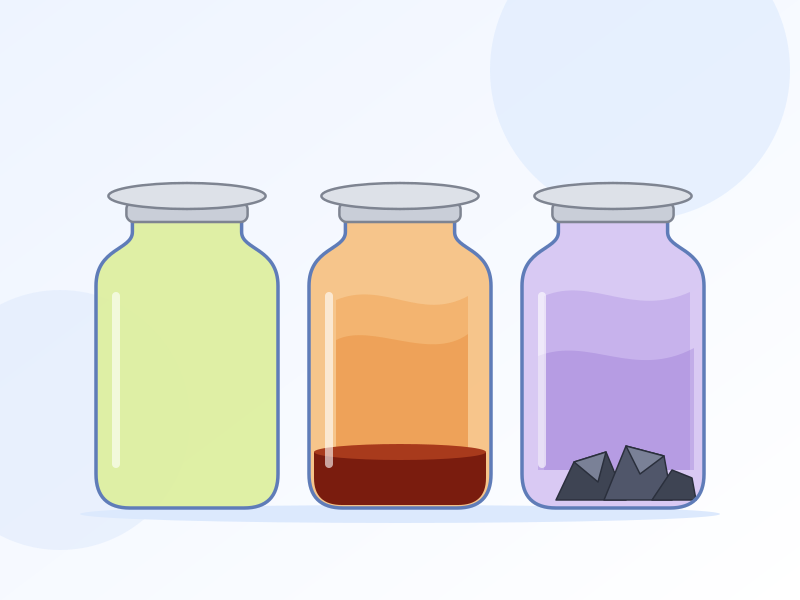
Trends in the Halogens
The trends in Group 7: states, colours, boiling points, electronegativity, reactivity and predictions for fluorine and astatine.
Start revising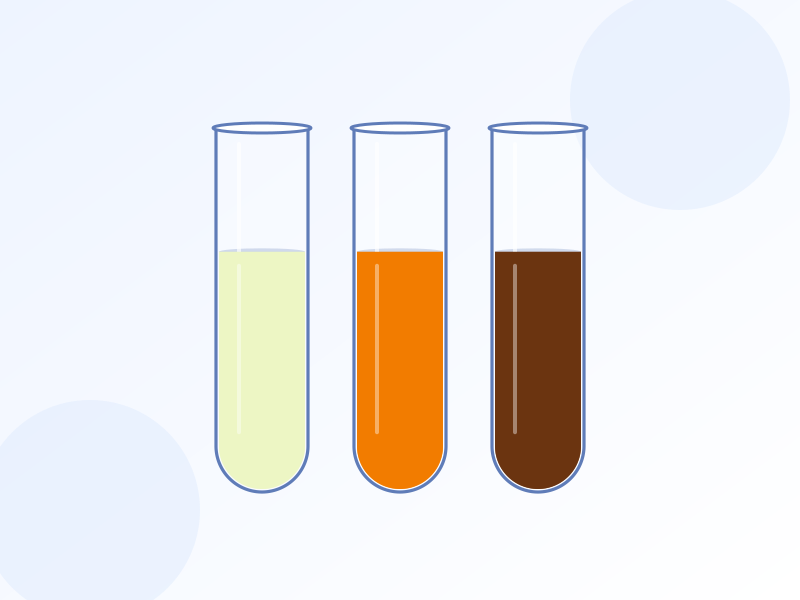
Halogens as Oxidising Agents
The halogens as oxidising agents: displacement reactions, colours in water and cyclohexane, reactions with metals and hydrogen, and the reactivity trend.
Start revising
Disproportionation Reactions of Chlorine
The disproportionation of chlorine with water and with cold and hot alkali, bleach, water treatment and analogous halogen reactions.
Start revising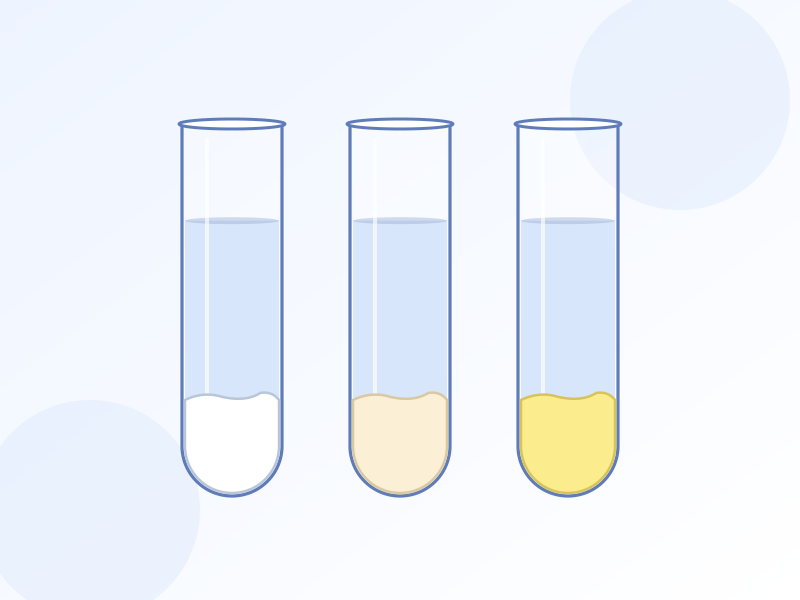
Halide Ions: Reducing Agents and Tests
Halide ions: reducing power with concentrated sulfuric acid, the acidified silver nitrate test and ammonia, and the hydrogen halides with ammonia and water.
Start revisingSummary Map
Download, print and revise the key facts of this topic at a glance.
Summary map
Download, print and revise the key facts of this topic at a glance.

Halogens Map
Edexcel International A Level Chemistry · Unit 2 · Topic 8C Inorganic Chemistry of Group 7
The whole section on one A4 page: physical trends, displacement, halogens with metals, chlorine disproportionating, halides with H₂SO₄, and halide tests and predictions.
© 2026 Online Learning System. For personal study: printing is allowed; editing, copying and redistribution are not.
Virtual Lessons
Recorded video lessons that teach the topic step by step.
The Virtual Lessons for Topic 8C Group 7 are being recorded.
MCQ Bank
Multiple-choice papers on this topic, marked the moment you submit.
The MCQ papers for Topic 8C Group 7 are being written.
SAQ Bank
Written, drawn and worked exam practice on this topic.
The exam practice papers for Topic 8C Group 7 are being written.
Revision Game
Match reagents to products, with your board's reagents and conditions.
The revision game for Topic 8C Group 7 is being built.
Study Cards
Pick a deck, then turn each card to check what you remember.
Specification
Every specification point in this topic, in the exam board's own words. Rate how confident you are with each one.
Self-assessment · 19 points
Sign in to rate how confident you feel about each point. Your ratings are saved to your account, follow you to any device, and appear beside your KASP analytics, kept apart from your marks.
8.24
- i
understand reasons for the trends for Group 7 elements in: melting and boiling temperatures and physical state at room temperature
Revise
8.25
- a
understand the trend in reactivity of Group 7 elements in terms of redox reactions of Cl2 with halide ions in aqueous solution
Revise - b
understand the trend in reactivity of Group 7 elements in terms of redox reactions of Br2 with halide ions in aqueous solution
Revise - c
understand the trend in reactivity of Group 7 elements in terms of redox reactions of I2 with halide ions in aqueous solution
Revise
8.26
- i
understand, in terms of changes in oxidation number, the following reactions of the halogens: oxidation reactions with Group 1 and 2 metals
Revise - ii
understand, in terms of changes in oxidation number, the following reactions of the halogens: the disproportionation reaction of chlorine with water and the use of chlorine in water treatment
Revise - iii
understand, in terms of changes in oxidation number, the following reactions of the halogens: the disproportionation reaction of chlorine with cold, dilute aqueous sodium hydroxide to form bleach
Revise - iv
understand, in terms of changes in oxidation number, the following reactions of the halogens: the disproportionation reaction of chlorine with hot alkali
Revise - v
understand, in terms of changes in oxidation number, the following reactions of the halogens: reactions analogous to those specified above
Revise
8.27
- i
understand the following reactions: solid Group 1 halides with concentrated sulfuric acid, to illustrate the trend in reducing ability of the hydrogen halides
Revise - ii
understand the following reactions: precipitation reactions of the aqueous anions Cl-, Br- and I- with aqueous silver nitrate solution and nitric acid, and the solubility of the precipitates in aqueous ammonia solution
Revise - iii
understand the following reactions: hydrogen halides with ammonia gas (to produce ammonium halides) and with water (to produce acids)
Revise
8.28
Keep this note — free
Save your progress across every Edexcel IAL topic. A free account remembers which topics you have covered, saves your question scores, and syncs across your phone and laptop.
- Track every topic you have finished
- Keep your practice-question scores
- No payment, no card, free forever
Already registered? Log in