Alcohols
Alcohols carry the –OH group, and everything they do follows from it.
Revision Notes
4 revision notes, in the order the specification teaches them.
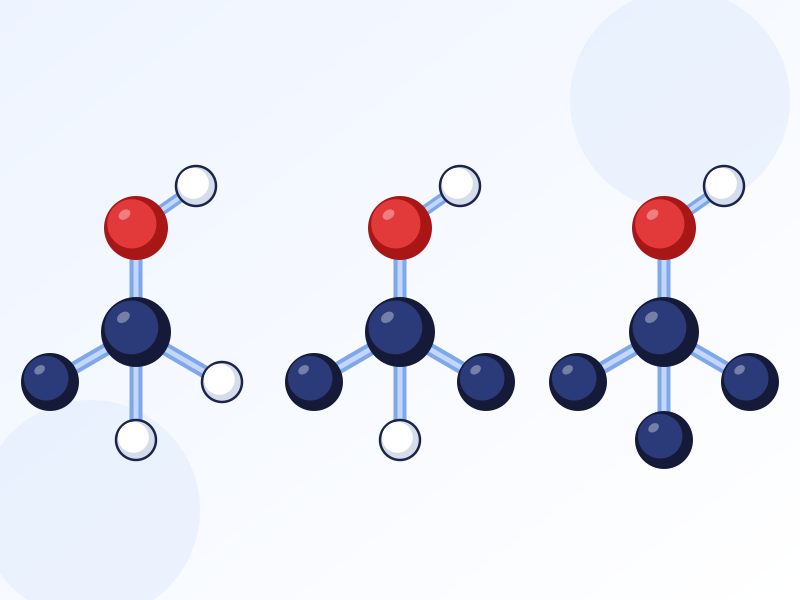
Alcohols: Naming, Classification and Properties
Alcohols: nomenclature, structural, displayed and skeletal formulae, primary, secondary and tertiary alcohols, hydrogen bonding, boiling temperatures and solubility.
Start revising
Oxidation of Alcohols
The oxidation of alcohols: acidified dichromate(VI), aldehydes, carboxylic acids and ketones, distillation versus reflux, [O] equations and tests for aldehydes and acids.
Start revising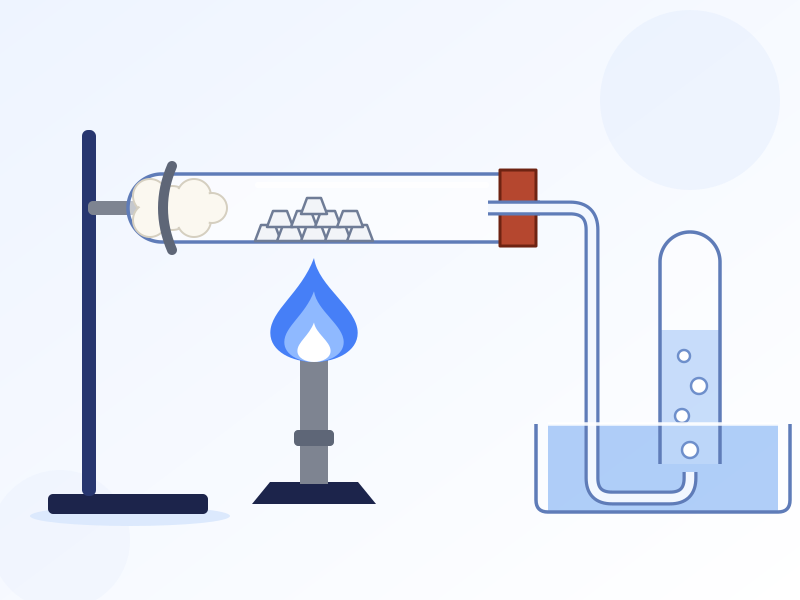
Substitution and Elimination Reactions of Alcohols
Reactions of alcohols: combustion, halogenation with PCl₅, KBr and sulfuric acid, and red phosphorus and iodine, and dehydration to alkenes.
Start revising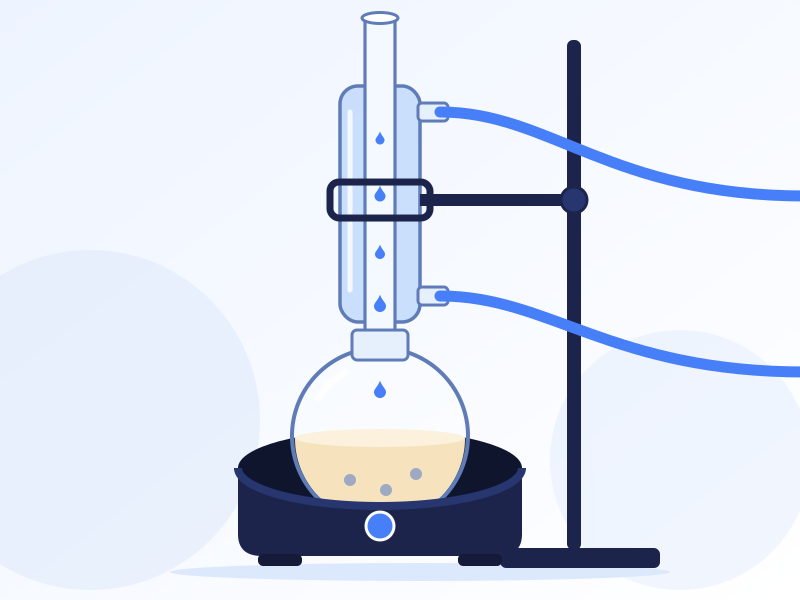
Preparing and Purifying Organic Liquids
Preparing and purifying organic liquids: reflux, distillation, separating funnel, drying agents, boiling temperature and percentage yield.
Start revisingSummary Map
Download, print and revise the reactions of this topic at a glance.
Summary maps
Download, print and revise the reactions of this topic at a glance.

Alcohols Map
Edexcel A Level Chemistry · Topic 6E Alcohols
Every reaction on one A4 page: reagents, conditions and reaction type for each arrow, colour coded, with the key tests.
Alcohols Summary Map
Edexcel A Level Chemistry · Topic 6 Organic Chemistry I · 6E Alcohols
The whole section on one A4 page: names and classes, combustion, halogenoalkanes and alkenes from alcohols, oxidation, and purifying a liquid, with worked examples.
© 2026 Online Learning System. For personal study: printing is allowed; editing, copying and redistribution are not.
Virtual Lessons
Recorded video lessons that teach the topic step by step.
The Virtual Lessons for Alcohols are being recorded.
MCQ Bank
Multiple-choice papers on this topic, marked the moment you submit.
The MCQ papers for Alcohols are being written.
SAQ Bank
Written, drawn and worked exam practice on this topic.
The exam practice papers for Alcohols are being written.
Revision Game
Match reagents to products, free, with your board's reagents and conditions.

Study Cards
Pick a deck, then turn each card to check what you remember.
Specification
Every specification point in this topic, in the exam board's own words. Rate how confident you are with each one.
Self-assessment · 20 points
Sign in to rate how confident you feel about each point. Your ratings are saved to your account, follow you to any device, and appear beside your KASP analytics, kept apart from your marks.
6
- E.38ii b
understand reactions of alcohols with 50% concentrated sulfuric acid and potassium bromide to produce bromoalkanes
Revise - E.38ii c
understand reactions of alcohols with red phosphorus and iodine to produce iodoalkanes
Revise - E.38iii a
understand oxidation of primary alcohols to aldehydes using potassium dichromate(VI) in dilute sulfuric acid
Revise - E.38iii b
understand oxidation of primary alcohols to carboxylic acids using potassium dichromate(VI) in dilute sulfuric acid
Revise - E.38iii c
understand oxidation of secondary alcohols to ketones using potassium dichromate(VI) in dilute sulfuric acid
Revise - E.38iv
understand the reactions of alcohols with: concentrated phosphoric acid to form alkenes by elimination Descriptions of the mechanisms of these reactions are not expected.
Revise - E.39i
understand the following techniques used in the preparation and purification of a liquid organic compound: heating under reflux
Revise - E.39ii
understand the following techniques used in the preparation and purification of a liquid organic compound: extraction with a solvent in a separating funnel
Revise - E.39iii
understand the following techniques used in the preparation and purification of a liquid organic compound: distillation
Revise - E.39iv
understand the following techniques used in the preparation and purification of a liquid organic compound: drying with an anhydrous salt
Revise - E.39v
understand the following techniques used in the preparation and purification of a liquid organic compound: boiling temperature determination
Revise
Keep this note — free
Save your progress across every Edexcel topic. A free account remembers which topics you have covered, saves your question scores, and syncs across your phone and laptop.
- Track every topic you have finished
- Keep your practice-question scores
- No payment, no card, free forever
Already registered? Log in