Introduction to Organic Chemistry
Organic chemistry begins with recognising carbon-based molecules, naming structures accurately, identifying isomerism and recognising functional groups. These pages separate the core naming rules, isomerism and common functional groups so that students can revise each area clearly before applying them to reactions, mechanisms and synthesis.
Revision Notes
9 revision notes, in the order the specification teaches them.
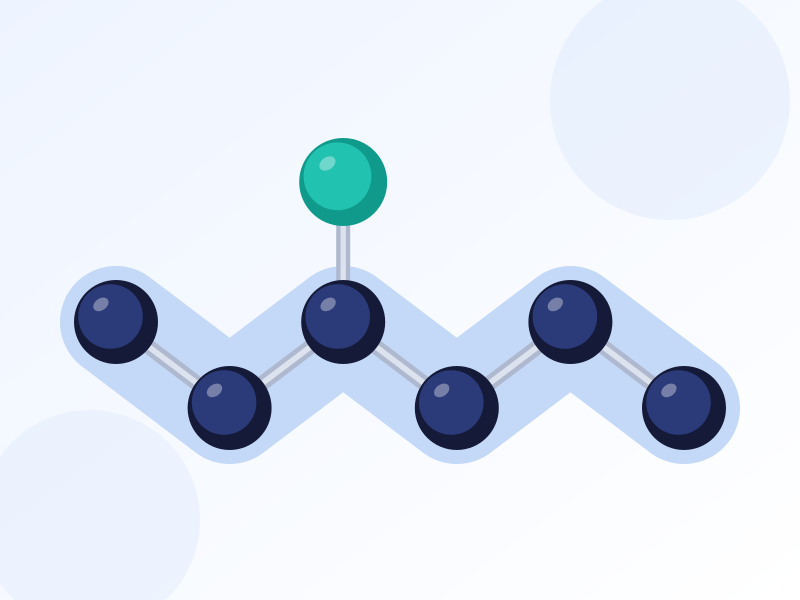
IUPAC Rules
Revise how to name organic compounds by identifying the longest carbon chain, functional group, substituents and position numbers.
Start revising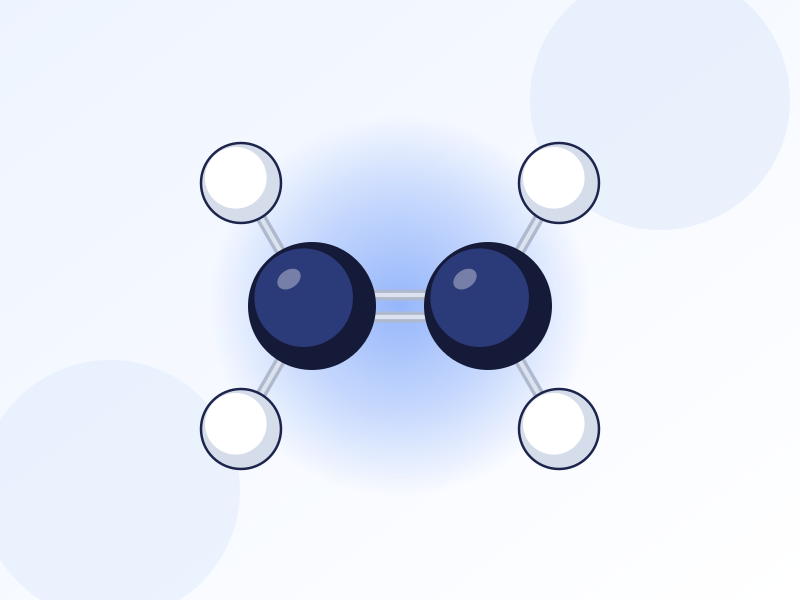
Alkene
Learn how alkenes are identified by the carbon-carbon double bond and why this functional group leads to addition reactions.
Start revising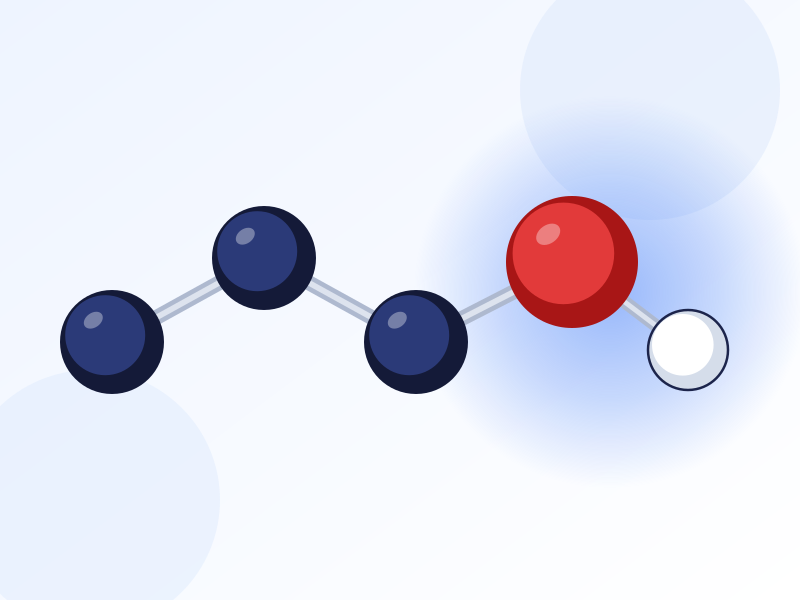
Alcohol
Revise alcohols as organic compounds containing the hydroxyl group and connect their structure to naming and classification.
Start revising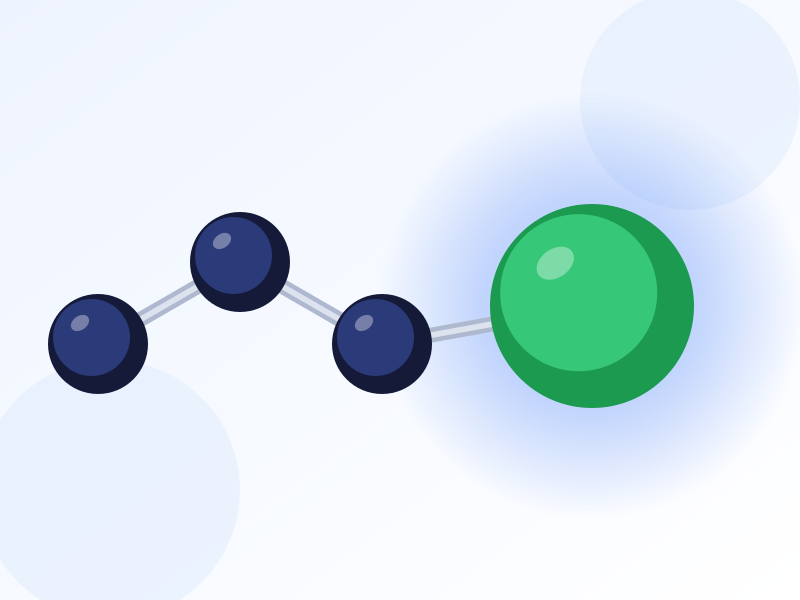
Halogenoalkanes
Review halogenoalkanes as compounds containing a carbon-halogen bond, including how halogen substituents appear in names.
Start revising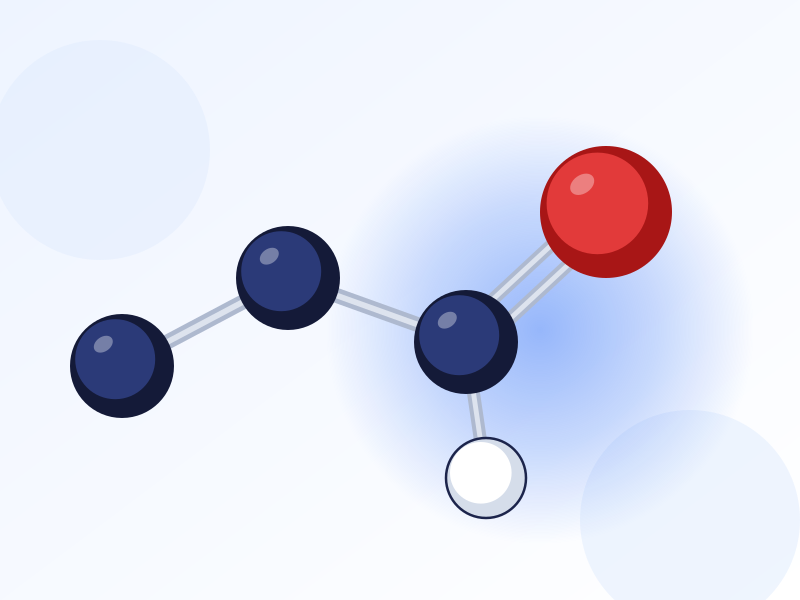
Aldehyde
Learn how aldehydes contain a terminal carbonyl group and how this affects naming and structural formulae.
Start revising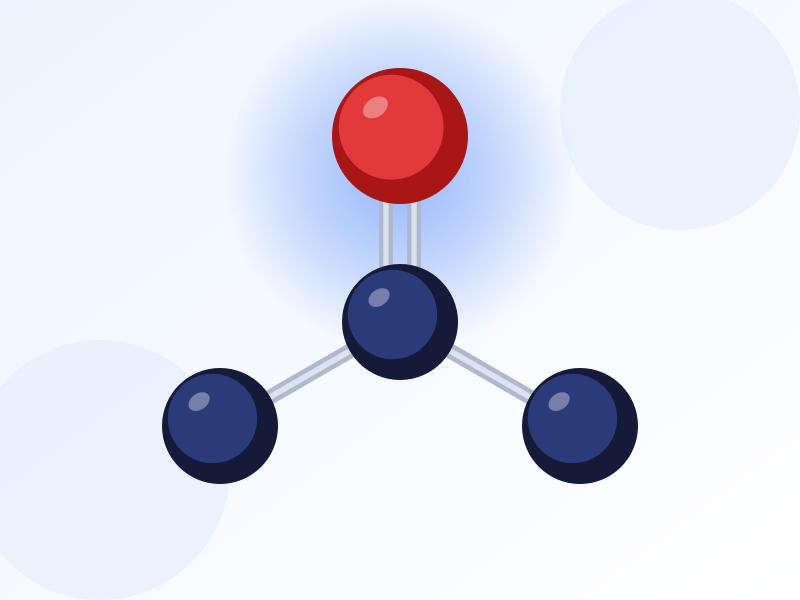
Ketone
Revise ketones as carbonyl compounds where the C=O group is within the carbon chain rather than at the end.
Start revising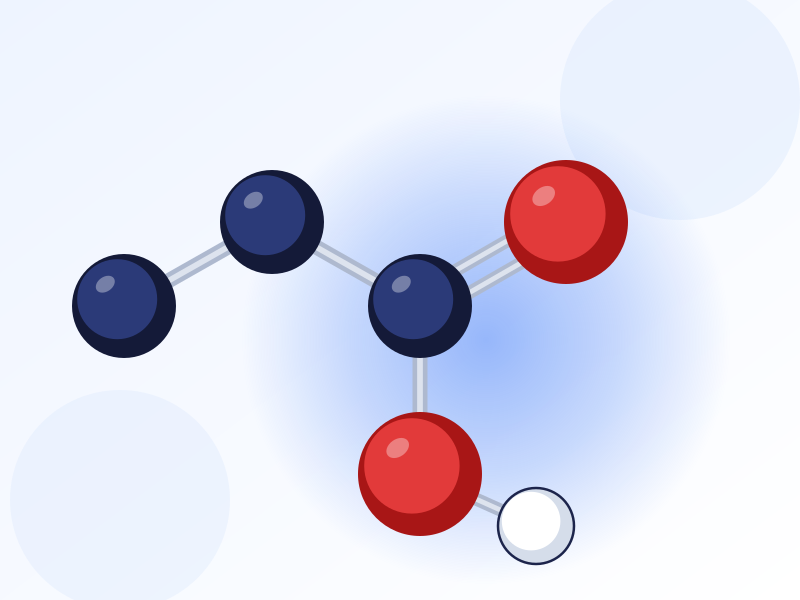
Carboxylic Acid
Review carboxylic acids as compounds containing the carboxyl group, including the COOH structure and acid naming pattern.
Start revising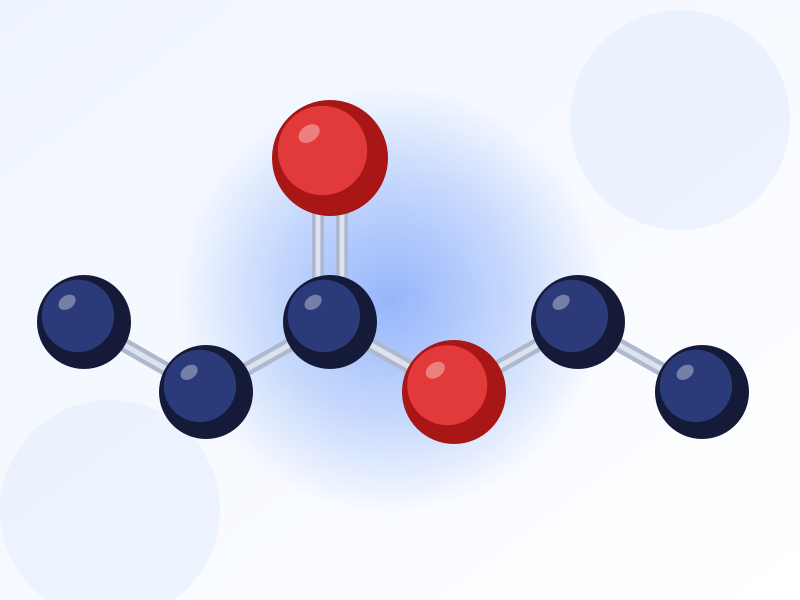
Ester
Learn how esters are recognised from the COO linkage and how their names are built from the alcohol and carboxylic acid parts.
Start revising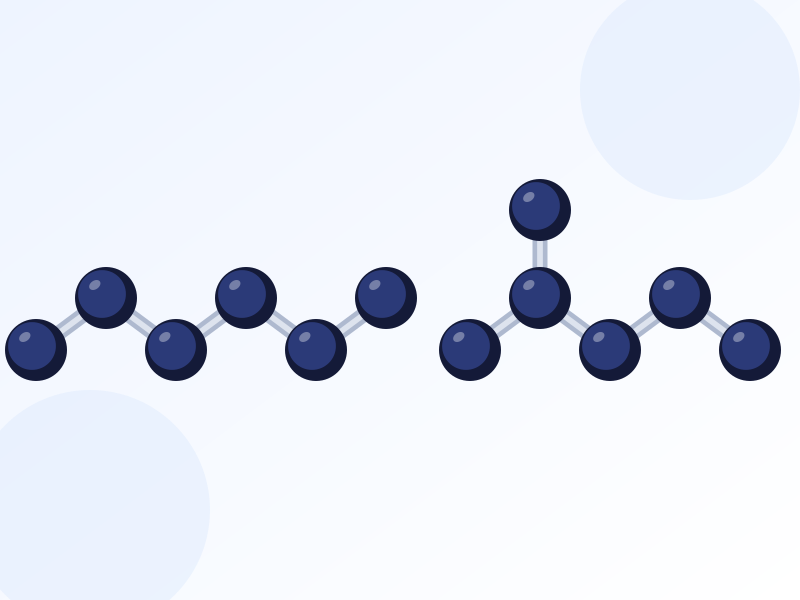
Isomerism
Revise how compounds can have the same molecular formula but different arrangements of atoms, including structural and stereoisomerism.
Start revisingSummary Map
Download, print and revise the key facts of this topic at a glance.
Summary map
Download, print and revise the key facts of this topic at a glance.

Introduction to Organic Chemistry Map
Edexcel A Level Chemistry · Topic 6A Introduction to Organic Chemistry
The whole section on one A4 page: types of formula, homologous series, naming, isomers, bond breaking, the seven reaction types and a table of the functional groups.
© 2026 Online Learning System. For personal study: printing is allowed; editing, copying and redistribution are not.
Virtual Lessons
Recorded video lessons that teach the topic step by step.

MCQ Bank
Multiple-choice papers on this topic, marked the moment you submit. MCQ (A) is free.

SAQ Bank
Written, drawn and worked exam practice on this topic, marked by a specialist chemistry teacher.

Revision Game
Match reagents to products, with your board's reagents and conditions.
The revision game for Introduction to Organic Chemistry is being built.
Study Cards
Pick a deck, then turn each card to check what you remember.
Specification
Every specification point in this topic, in the exam board's own words. Rate how confident you are with each one.
Self-assessment · 25 points
Sign in to rate how confident you feel about each point. Your ratings are saved to your account, follow you to any device, and appear beside your KASP analytics, kept apart from your marks.
6
- A.4
be able to name compounds relevant to this specification using the rules of International Union of Pure and Applied Chemistry (IUPAC) nomenclature Students will be expected to know prefixes for compounds up to C10
Revise - A.4 a
be able to name compounds relevant to this specification using the rules of IUPAC nomenclature
Revise - A.7 b
understand stereoisomerism as illustrated by cis-trans isomerism where two substituent groups are the same
Revise
Keep this note — free
Save your progress across every Edexcel topic. A free account remembers which topics you have covered, saves your question scores, and syncs across your phone and laptop.
- Track every topic you have finished
- Keep your practice-question scores
- No payment, no card, free forever
Already registered? Log in