5.1.2
How Far?
Section 5.1.2 covers mole fraction and partial pressure, calculating the quantities present at equilibrium and the techniques used to determine them, expressions for Kc and Kp for homogeneous and heterogeneous equilibria, calculations of Kc and Kp with their units, the effect of temperature on equilibrium constants and their constancy with concentration, pressure and a catalyst, and how an equilibrium constant controls the position of equilibrium when conditions change.
Revision Notes
5 revision notes, in the order the specification teaches them.
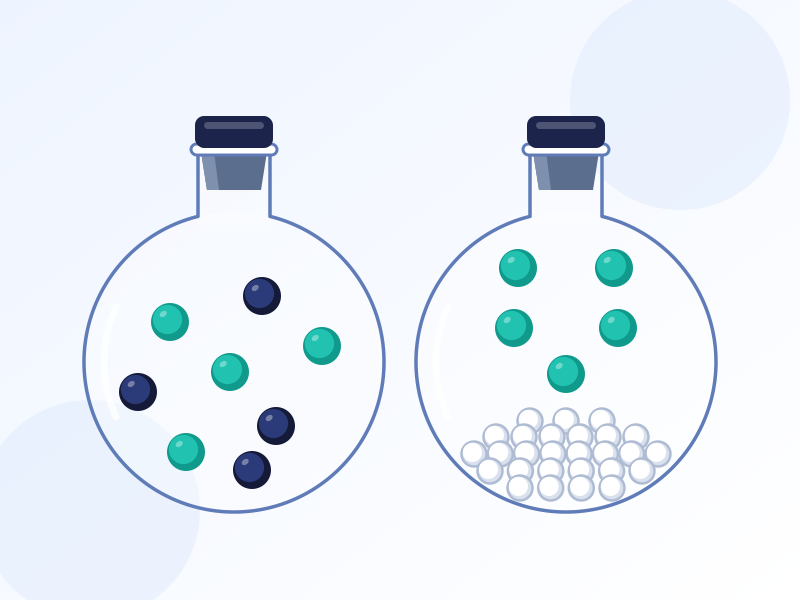
Kc Expressions: Homogeneous and Heterogeneous Systems
Kc expressions: homogeneous and heterogeneous equilibria, writing the expression from the equation, leaving out solids and pure liquids, and the units of Kc.
Start revising
Calculating Kc from Experimental Data
Calculating Kc: initial, change and equilibrium tables, equilibrium concentrations, the value and units of Kc, and the experiments that measure equilibrium amounts.
Start revising
Partial Pressures and Kp Expressions
Partial pressures and Kp: mole fraction, partial pressure from mole fraction and total pressure, and writing Kp expressions for homogeneous and heterogeneous systems.
Start revising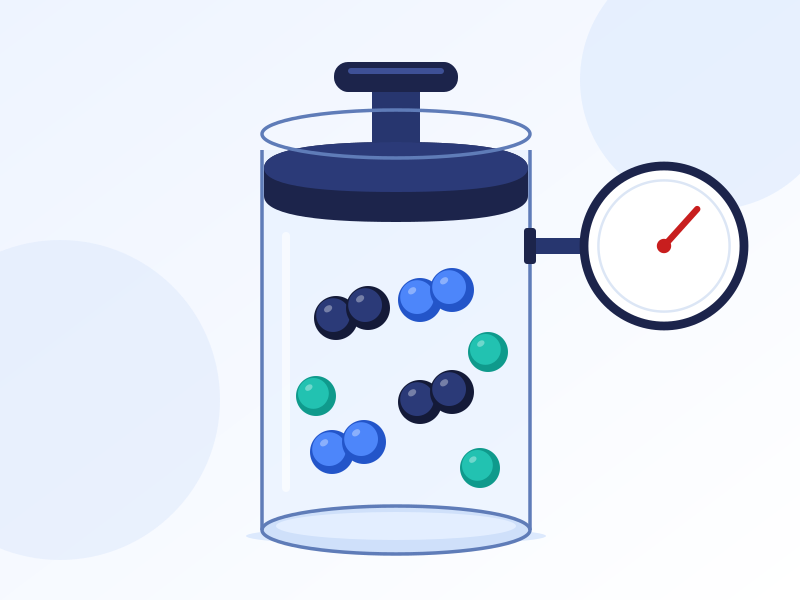
Calculating Kp
Calculating Kp: equilibrium moles, mole fractions and partial pressures, the value and units of Kp in kPa, and finding a pressure from Kp.
Start revising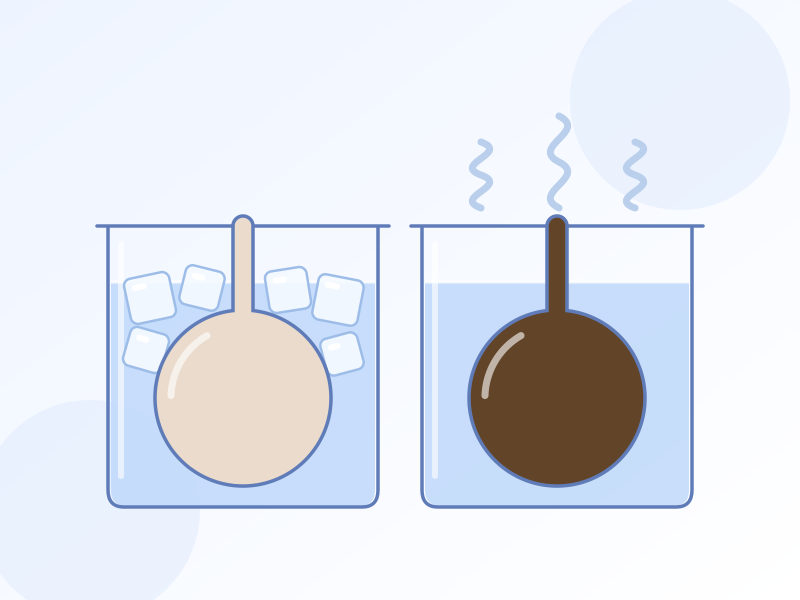
What Changes an Equilibrium Constant?
Equilibrium constants and conditions: the effect of temperature on Kc and Kp, and why concentration, pressure and catalysts do not change the constant.
Start revisingSummary Map
Download, print and revise the key facts of this topic at a glance.
Summary map
Download, print and revise the key facts of this topic at a glance.

How Far Map
OCR A Level Chemistry A · 5.1.2 How far?
The whole section on one A4 page: writing Kc, units and ICE tables, Kc from data, partial pressures, Kp, and what changes K.
© 2026 Online Learning System. For personal study: printing is allowed; editing, copying and redistribution are not.
Virtual Lessons
Recorded video lessons that teach the topic step by step.
The Virtual Lessons for 5.1.2 How Far? are being recorded.
MCQ Bank
Multiple-choice papers on this topic, marked the moment you submit.
The MCQ papers for 5.1.2 How Far? are being written.
SAQ Bank
Written, drawn and worked exam practice on this topic.
The exam practice papers for 5.1.2 How Far? are being written.
Revision Game
Match reagents to products, with your board's reagents and conditions.
The revision game for 5.1.2 How Far? is being built.
Study Cards
Pick a deck, then turn each card to check what you remember.
Specification
Every specification point in this topic, in the exam board's own words. Rate how confident you are with each one.
Self-assessment · 17 points
Sign in to rate how confident you feel about each point. Your ratings are saved to your account, follow you to any device, and appear beside your KASP analytics, kept apart from your marks.
5.1.2
- e i
calculations of Kc, or related quantities, including determination of units (see also 3.2.3 f)
Revise - e ii
calculations of Kp, or related quantities, including determination of units (see also 3.2.3 f)
Revise - f (i) a
the qualitative effect on equilibrium constants of changing temperature for exothermic reactions
Revise - f (i) b
the qualitative effect on equilibrium constants of changing temperature for endothermic reactions
Revise - g i
explanation of how an equilibrium constant controls the position of equilibrium on changing concentration
Revise - g ii
explanation of how an equilibrium constant controls the position of equilibrium on changing pressure
Revise - g iii
explanation of how an equilibrium constant controls the position of equilibrium on changing temperature
Revise - h
application of the above principles in 5.1.2 How far? for Kc, Kp to other equilibrium constants, where appropriate (see also 5.1.3 c etc.)
Revise
Keep this note — free
Save your progress across every OCR topic. A free account remembers which topics you have covered, saves your question scores, and syncs across your phone and laptop.
- Track every topic you have finished
- Keep your practice-question scores
- No payment, no card, free forever
Already registered? Log in