Topic 19
Organic Nitrogen
Compounds
Topic 19 closes Unit 5 with the organic nitrogen compounds: the naming and formulae of amines, amides and amino acids; the reactions of butylamine and phenylamine with water, acids, halogenoalkanes, ethanoyl chloride and copper(II) ions, and why amines differ in basicity; preparing amines from halogenoalkanes, nitriles and nitrobenzene; diazonium salts and azo dyes; amides from acyl chlorides; condensation polymers such as polyamides and proteins, and the addition polymers poly(propenamide) and poly(ethenol); and the acid-base behaviour, optical activity and peptide bonds of amino acids.
Revision Notes
10 revision notes, in the order the specification teaches them.
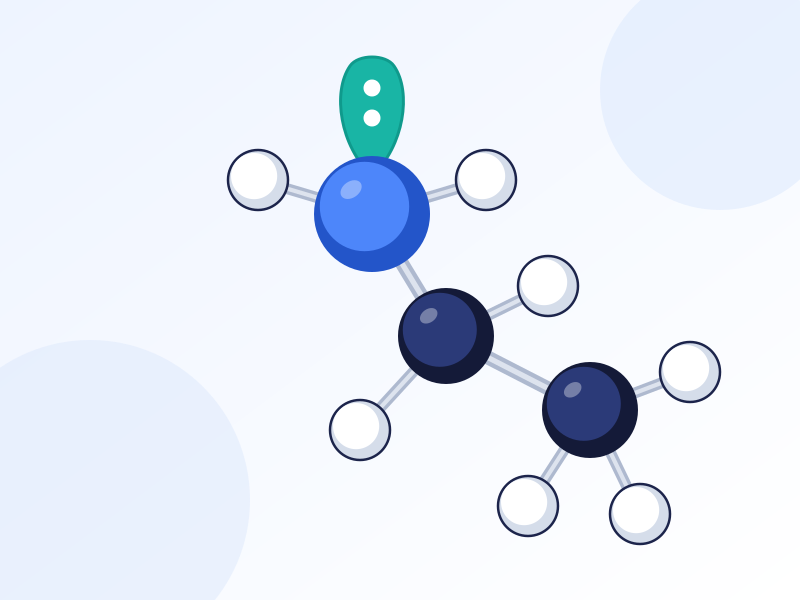
Amines, Amides and Amino Acids: Structure and Naming
The structure and naming of amines, amides and amino acids: classification, nomenclature, formulae and physical properties.
Start revising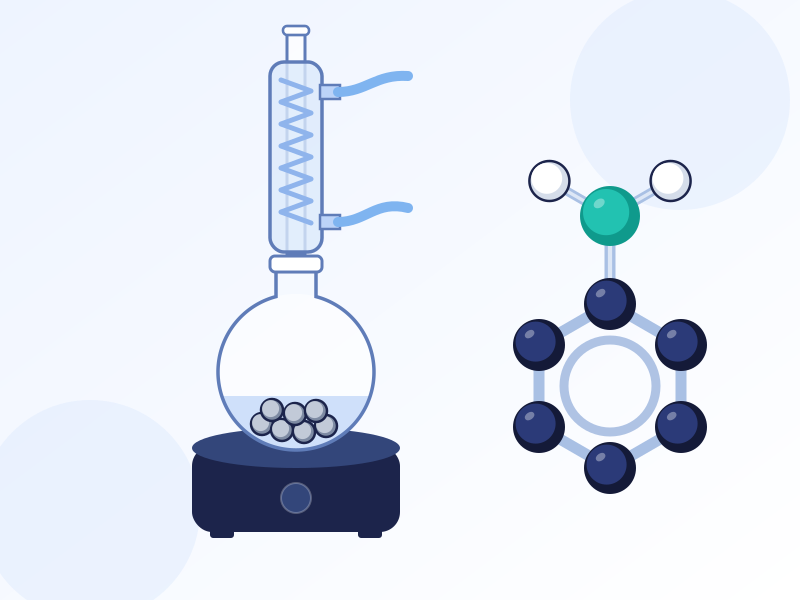
Preparing Amines
Preparing amines: halogenoalkanes with ammonia, reduction of nitriles, and the reduction of nitrobenzene to phenylamine with tin and concentrated hydrochloric acid.
Start revising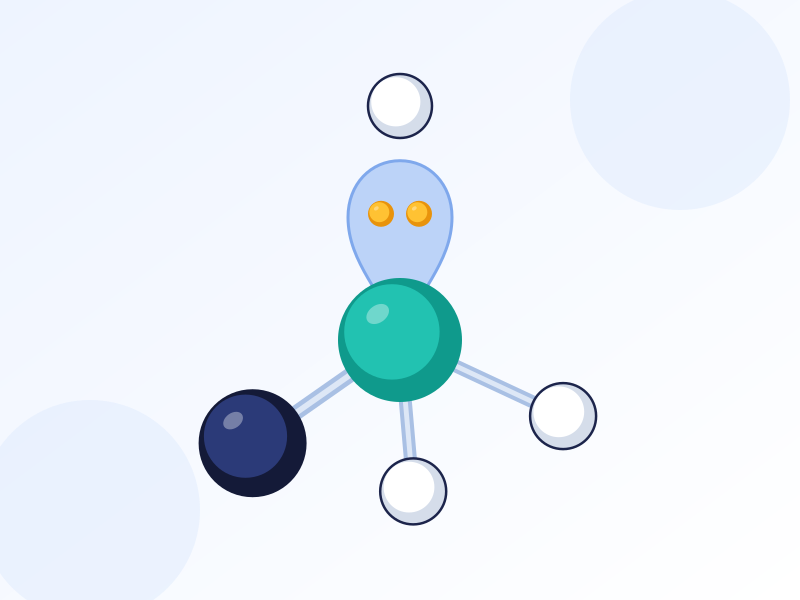
Amines as Bases
Amines as bases: the nitrogen lone pair, alkaline solutions, salt formation with acids and the order of base strength of ammonia, aliphatic and aromatic amines.
Start revising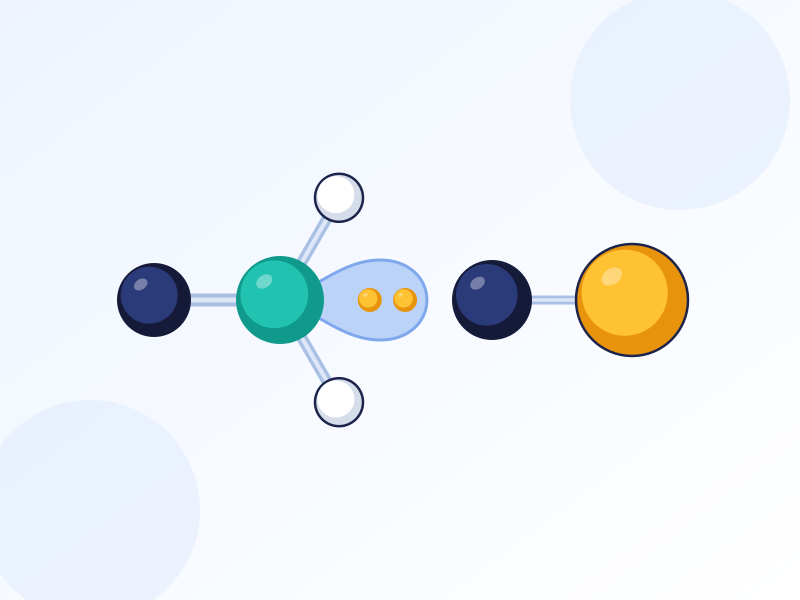
Amines as Nucleophiles
Amines as nucleophiles: substitution with halogenoalkanes and the formation of N-substituted amides with acyl chlorides.
Start revising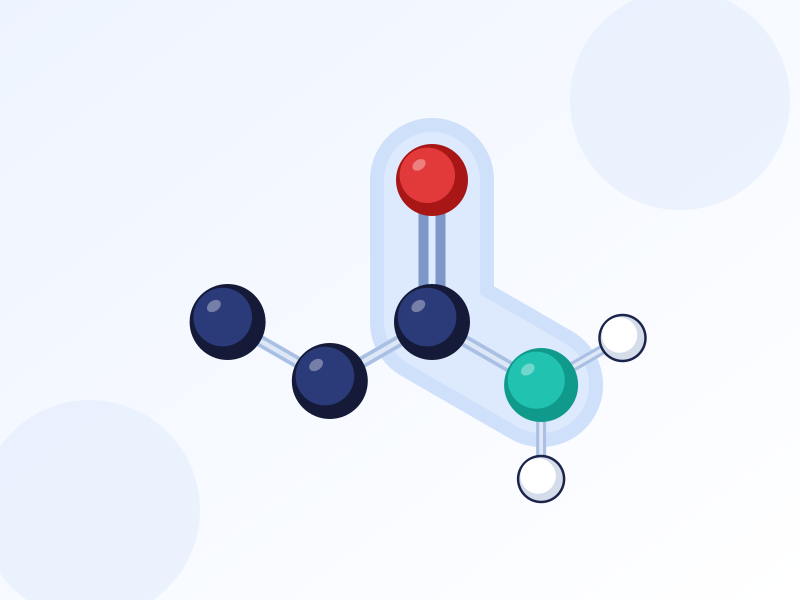
Amides
Amides: structure, naming, preparation from acyl chlorides and the amide link.
Start revising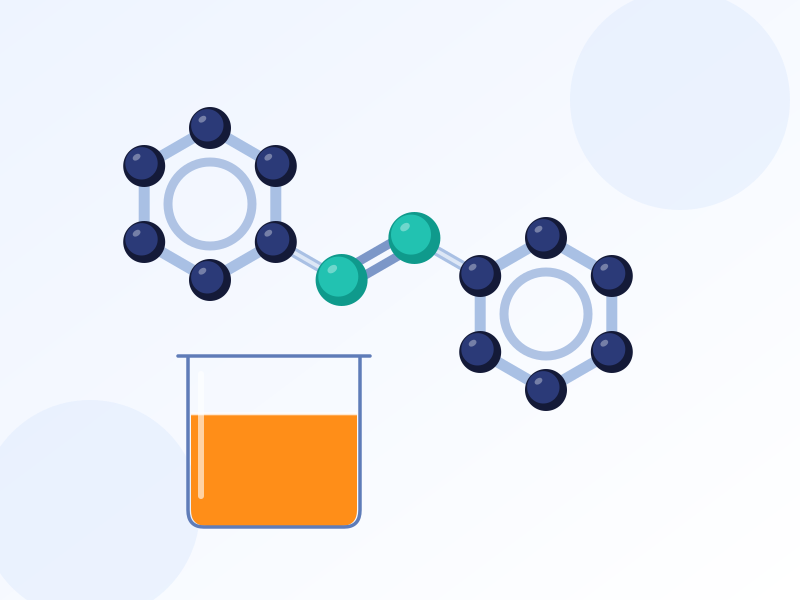
Diazonium Salts and Azo Dyes
Diazonium salts and azo dyes: phenylamine with nitrous acid below 10 °C, the benzenediazonium ion and coupling with phenol to make a dye.
Start revising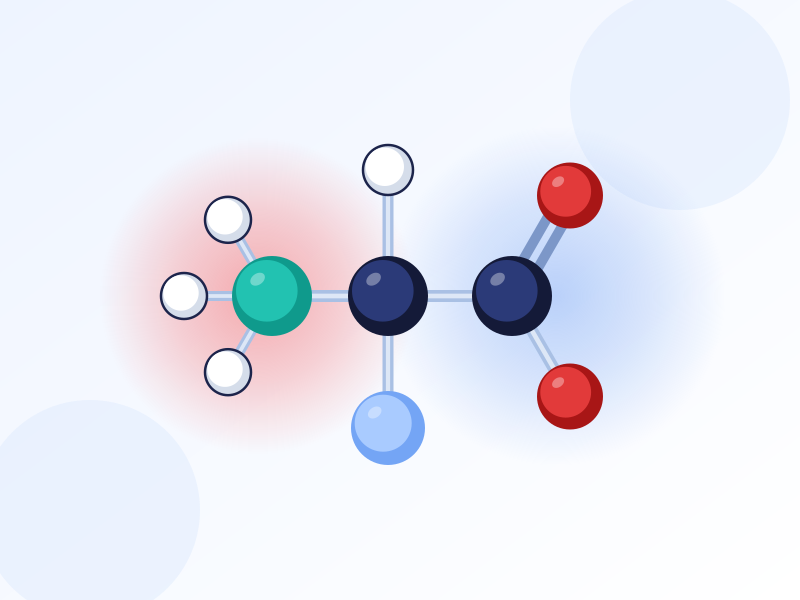
Amino Acids and Zwitterions
Amino acids: zwitterions, acid and base behaviour, the isoelectric point and chirality.
Start revising
Peptides and Proteins
Peptides and proteins: the peptide link, dipeptides and tripeptides, hydrolysis and proteins as polymers of amino acids.
Start revising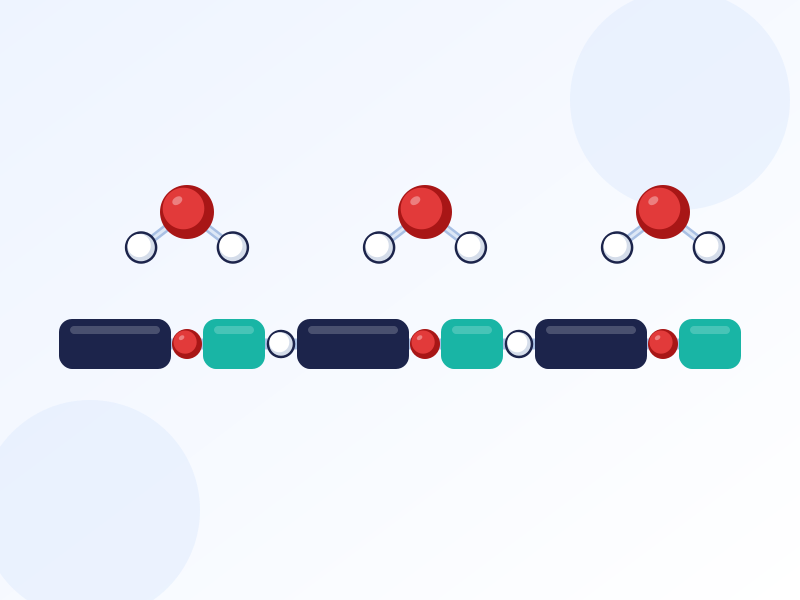
Condensation Polymers: Polyamides and Polyesters
Condensation polymers: polyamides and polyesters, repeat units, monomers, linkages and intermolecular forces.
Start revising
Polymer Properties: Polyamides, Poly(propenamide) and Poly(ethenol)
Polyamide hydrogen bonding, poly(propenamide) and poly(ethenol): repeat units, solubility in water and uses.
Start revisingSummary Map
Download, print and revise the key facts of this topic at a glance.
Summary maps
Download, print and revise the key facts of this topic at a glance.

Amines Map
Edexcel International A Level Chemistry · Unit 5 · Topic 19
Every reaction on one A4 page: reagents, conditions and reaction type for each arrow, colour coded, with the key tests.
Nitriles Map
Edexcel International A Level Chemistry · Unit 5 · Topic 19
Every reaction on one A4 page: reagents, conditions and reaction type for each arrow, colour coded, with the key tests.
Amino Acids Map
Edexcel International A Level Chemistry · Unit 5 · Topic 19
Every reaction on one A4 page: reagents, conditions and reaction type for each arrow, colour coded, with the key tests.
Amines Summary Map
Edexcel International A Level Chemistry · Unit 5 · Topic 19A Amines
All of Topic 19A on one A4 page: classes, routes to amines, bases, nucleophiles, copper(II) ions, diazonium ions and dyes.
Amides and Polymers Map
Edexcel International A Level Chemistry · Unit 5 · Topic 19B Amides and Polymers
All of Topic 19B on one A4 page: amides, condensation, repeat units, hydrogen bonds, addition polymers and soluble films.
Amino Acids Summary Map
Edexcel International A Level Chemistry · Unit 5 · Topic 19C Amino Acids and Proteins
All of Topic 19C on one A4 page: amino acids, zwitterions, enantiomers, the polarimeter, peptides and chromatography.
© 2026 Online Learning System. For personal study: printing is allowed; editing, copying and redistribution are not.
Virtual Lessons
Recorded video lessons that teach the topic step by step.
The Virtual Lessons for Topic 19 Organic Nitrogen Compounds are being recorded.
MCQ Bank
Multiple-choice papers on this topic, marked the moment you submit.
The MCQ papers for Topic 19 Organic Nitrogen Compounds are being written.
SAQ Bank
Written, drawn and worked exam practice on this topic.
The exam practice papers for Topic 19 Organic Nitrogen Compounds are being written.
Revision Game
Match reagents to products, free, with your board's reagents and conditions.

Study Cards
Pick a deck, then turn each card to check what you remember.
Specification
Every specification point in this topic, in the exam board's own words. Rate how confident you are with each one.
Self-assessment · 39 points
Sign in to rate how confident you feel about each point. Your ratings are saved to your account, follow you to any device, and appear beside your KASP analytics, kept apart from your marks.
19.1
19.2
- i
understand the reactions of primary aliphatic amines (using butylamine as an example) and aromatic amines (using phenylamine as an example) with: water to form an alkaline solution
Revise - ii
understand the reactions of primary aliphatic amines (using butylamine as an example) and aromatic amines (using phenylamine as an example) with: acids to form salts
Revise - iii
understand the reactions of primary aliphatic amines (using butylamine as an example) and aromatic amines (using phenylamine as an example) with: halogenoalkanes
Revise - iv
understand the reactions of primary aliphatic amines (using butylamine as an example) and aromatic amines (using phenylamine as an example) with: ethanoyl chloride
Revise - v
understand the reactions of primary aliphatic amines (using butylamine as an example) and aromatic amines (using phenylamine as an example) with: copper(II) ions to form a complex ion
Revise
19.3
- b
understand reasons for the difference in basicity between ammonia and primary aliphatic amines
Revise - c
understand reasons for the difference in basicity between ammonia and primary aromatic amines
Revise - d
understand reasons for the difference in basicity between primary aliphatic amines and primary aromatic amines
Revise
19.4
19.5
- 19.5
know the preparation of aromatic amines by the reduction of aromatic nitrocompounds using tin and concentrated hydrochloric acid
Revise
19.6
- a
be able to describe reaction of aromatic amines with nitrous acid to form benzenediazonium ions
Revise
19.7
19.8
- i
be able to describe: condensation polymerisation for the formation of polyamides such as nylon and proteins
Revise
19.9
19.10
19.11
- i
be able to describe experiments to investigate the characteristic behaviour of amino acids limited to: acidity and basicity and the formation of zwitterions
Revise - ii
be able to describe experiments to investigate the characteristic behaviour of amino acids limited to: effect of aqueous solutions on plane-polarised monochromatic light
Revise - iii
be able to describe experiments to investigate the characteristic behaviour of amino acids limited to: formation of peptide bonds by condensation polymerisation
Revise
19.12
- 19.12
CORE PRACTICAL 15 Analysis of some inorganic and organic unknowns.
Keep this note — free
Save your progress across every Edexcel IAL topic. A free account remembers which topics you have covered, saves your question scores, and syncs across your phone and laptop.
- Track every topic you have finished
- Keep your practice-question scores
- No payment, no card, free forever
Already registered? Log in